
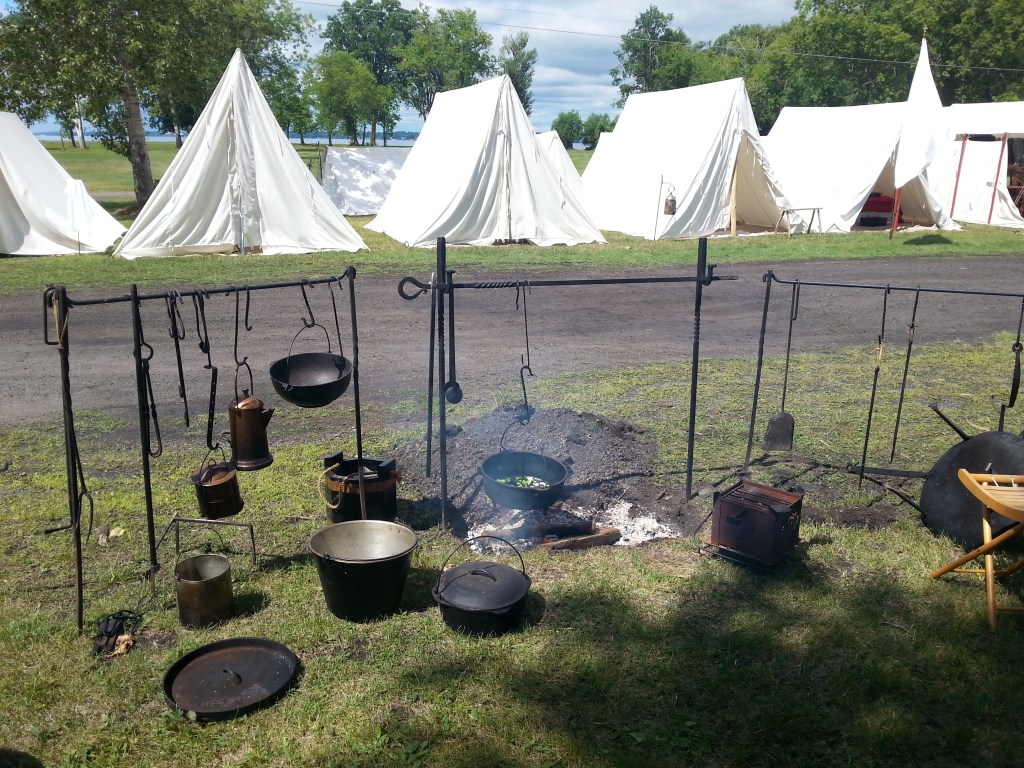

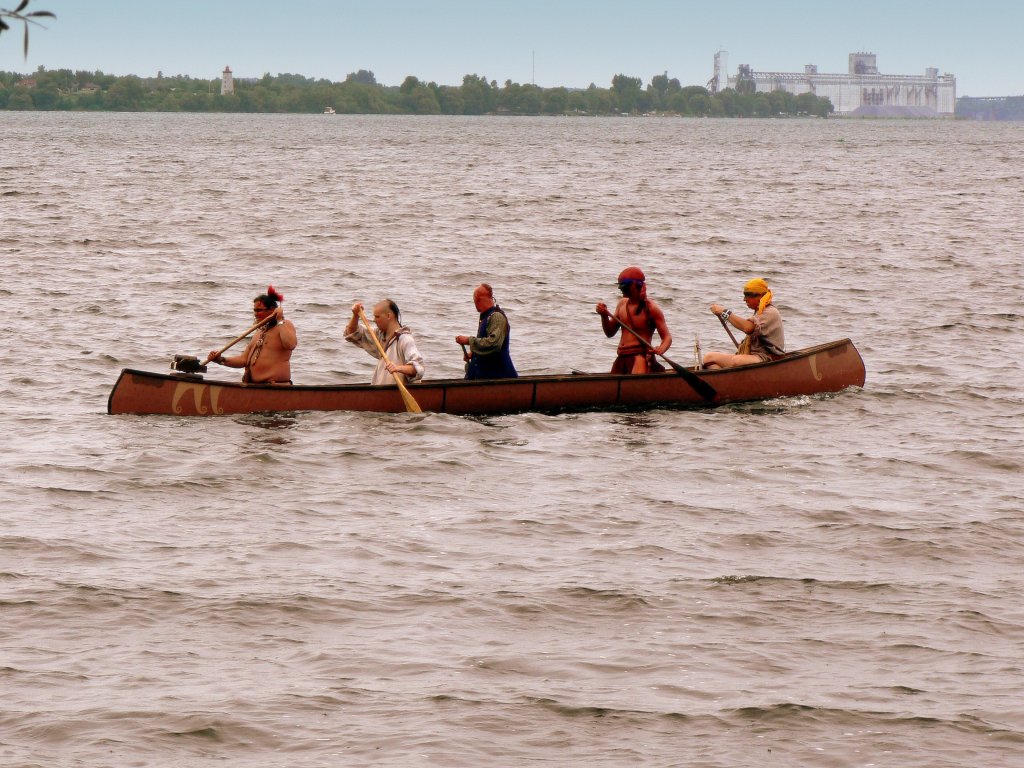
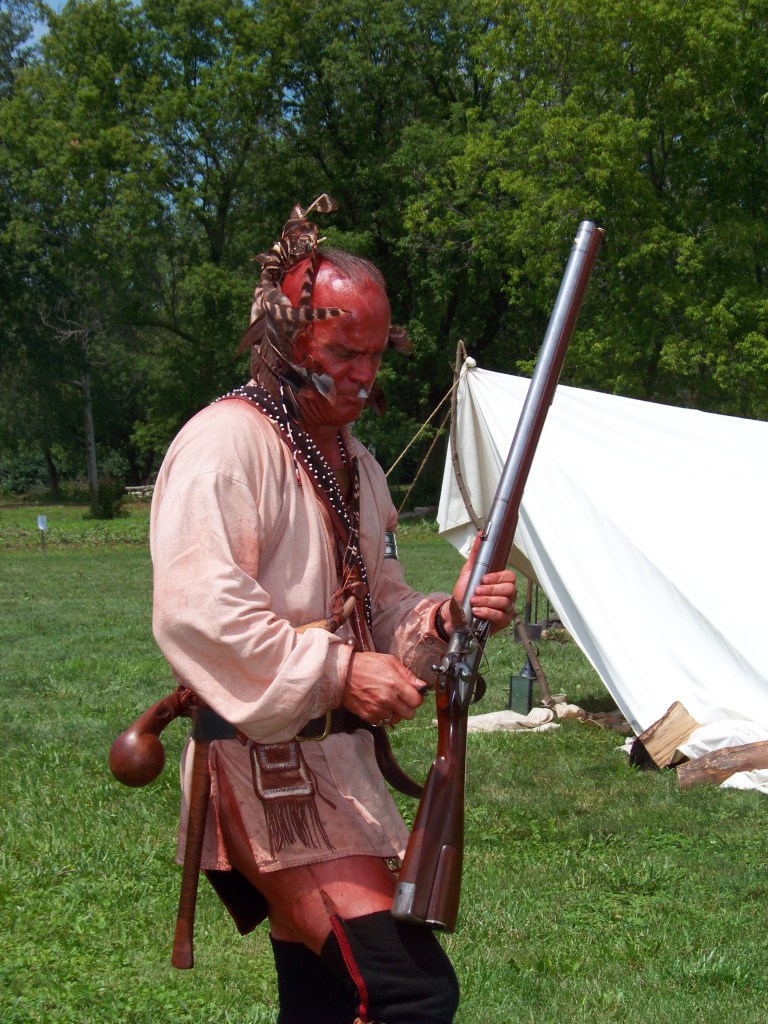
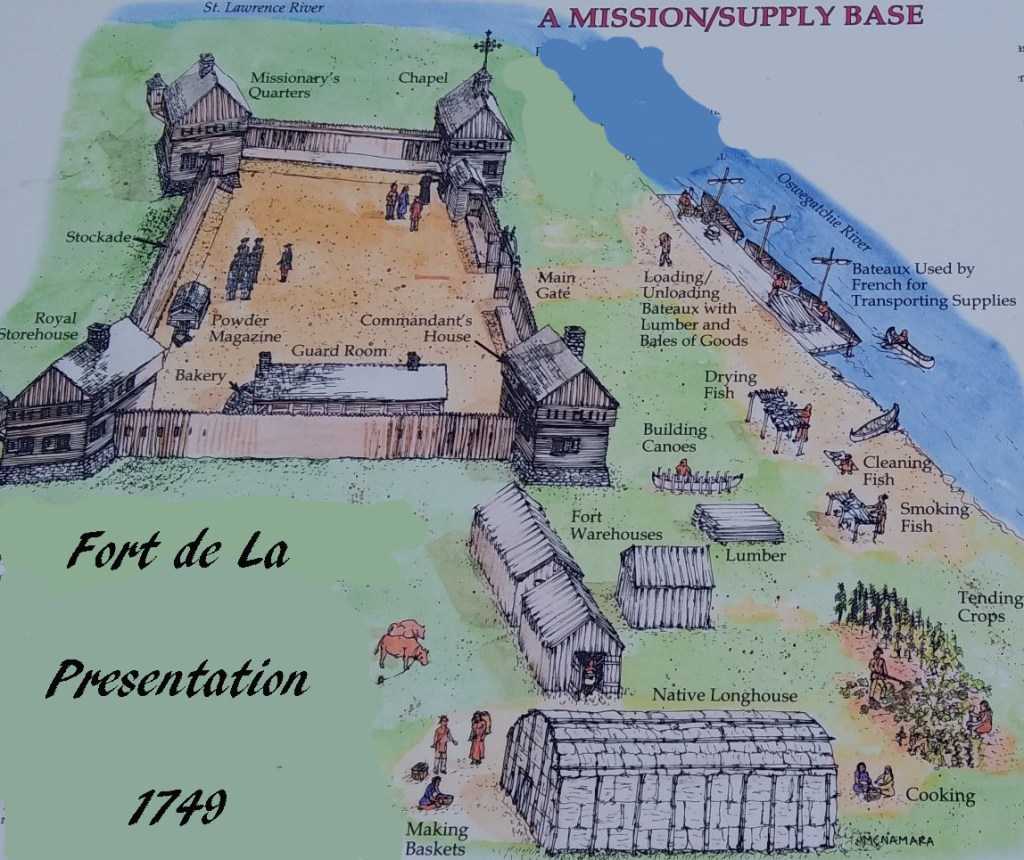
In 1749, French Sulpician priest Abbé Picquet established Fort de La Presentation where the St. Lawrence and Oswegatchie Rivers meet at what is now Ogdensburg in Northern New York. By 1755 the settlement included 2,000 Iroquois loyal to France. It was abandoned in 1760 as British troops approached during the French and Indian War.
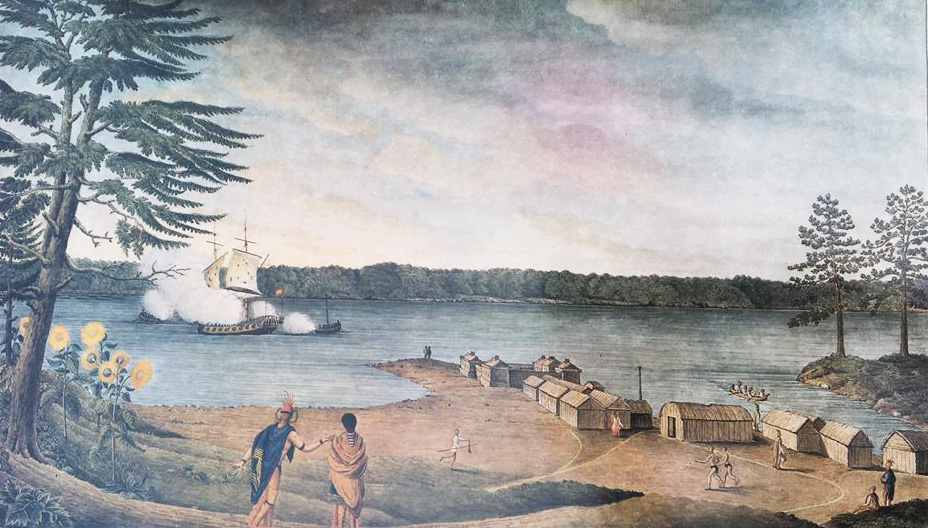



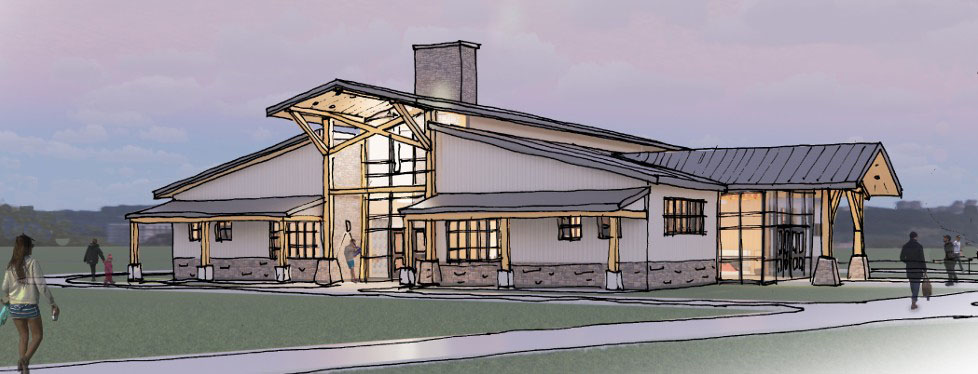
Fort La Presentation Welcome Center Planned
Coming Up…
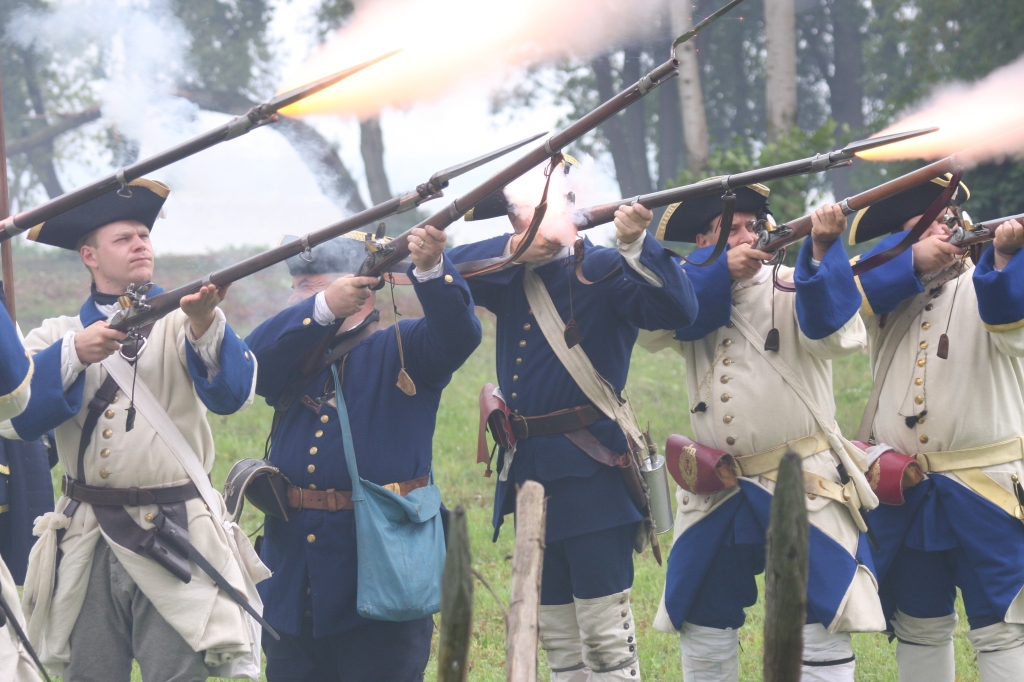
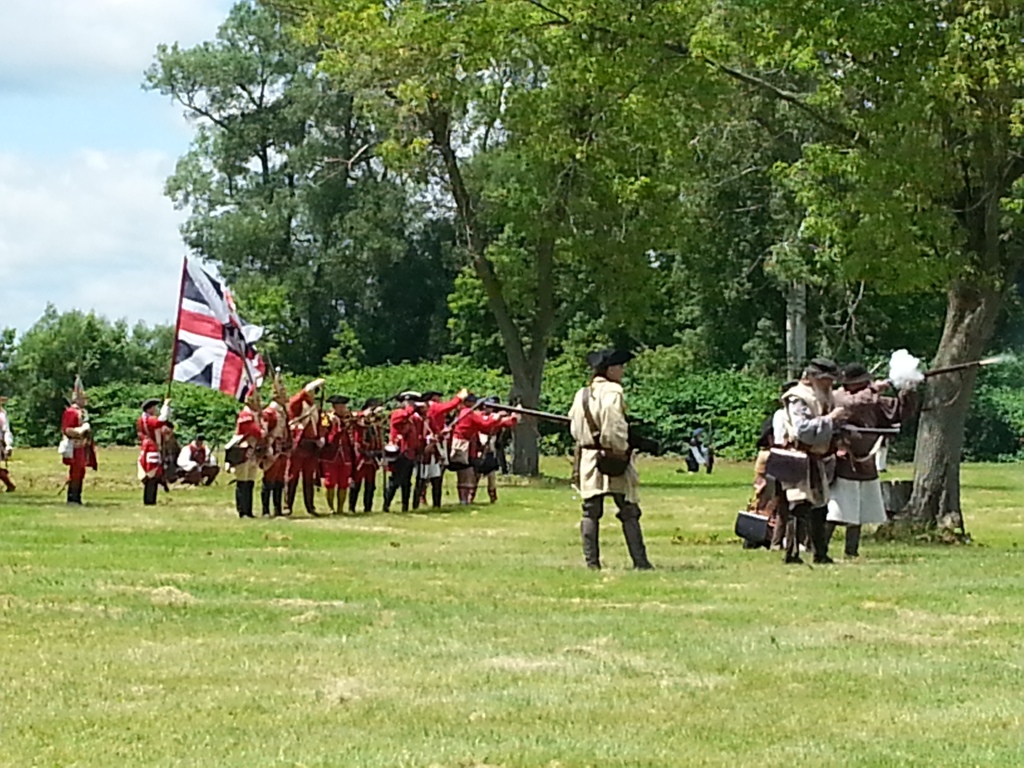
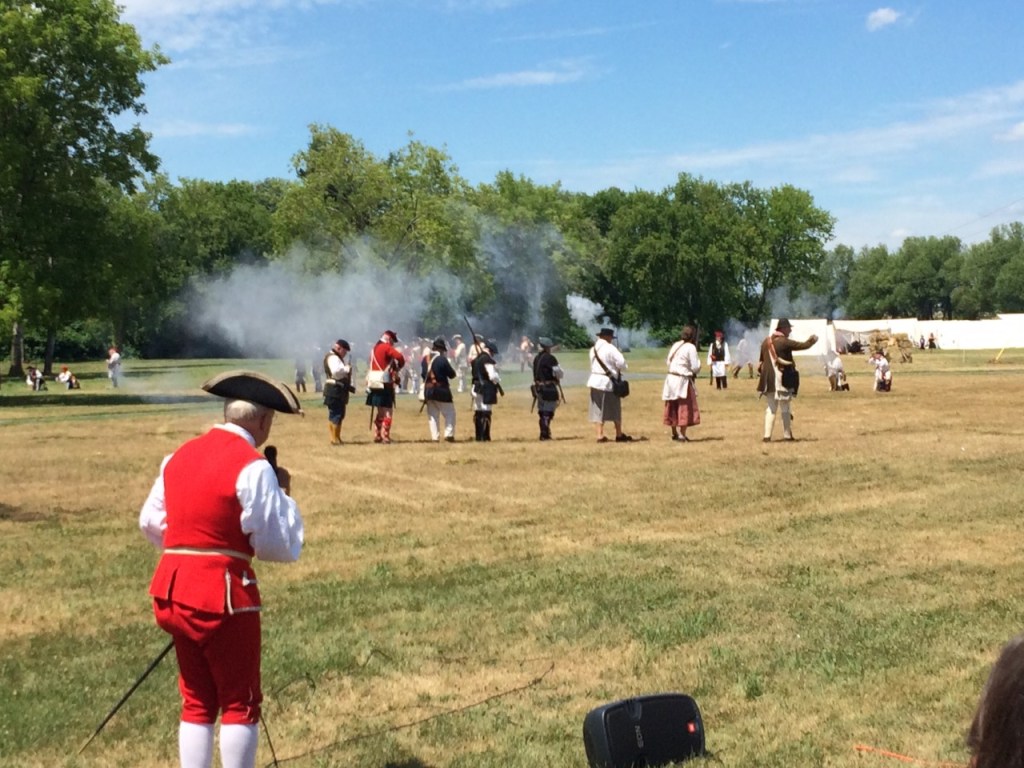
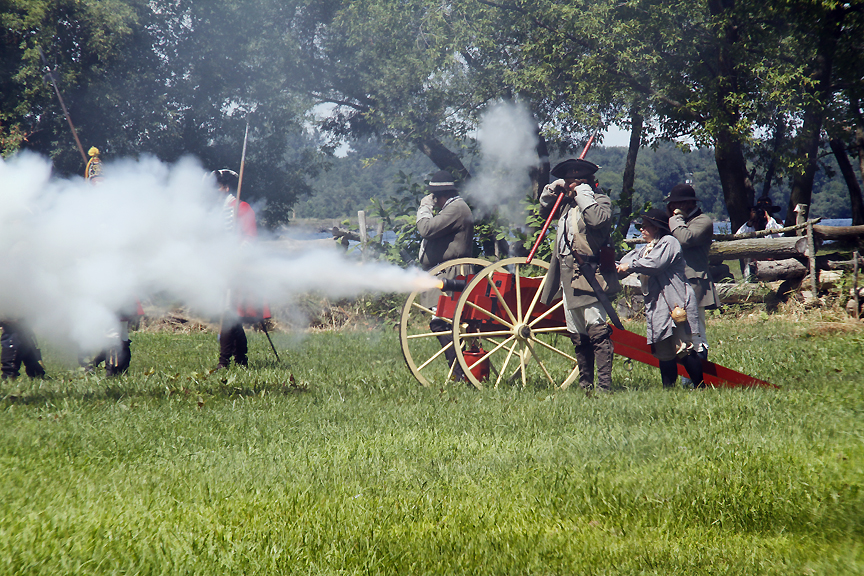
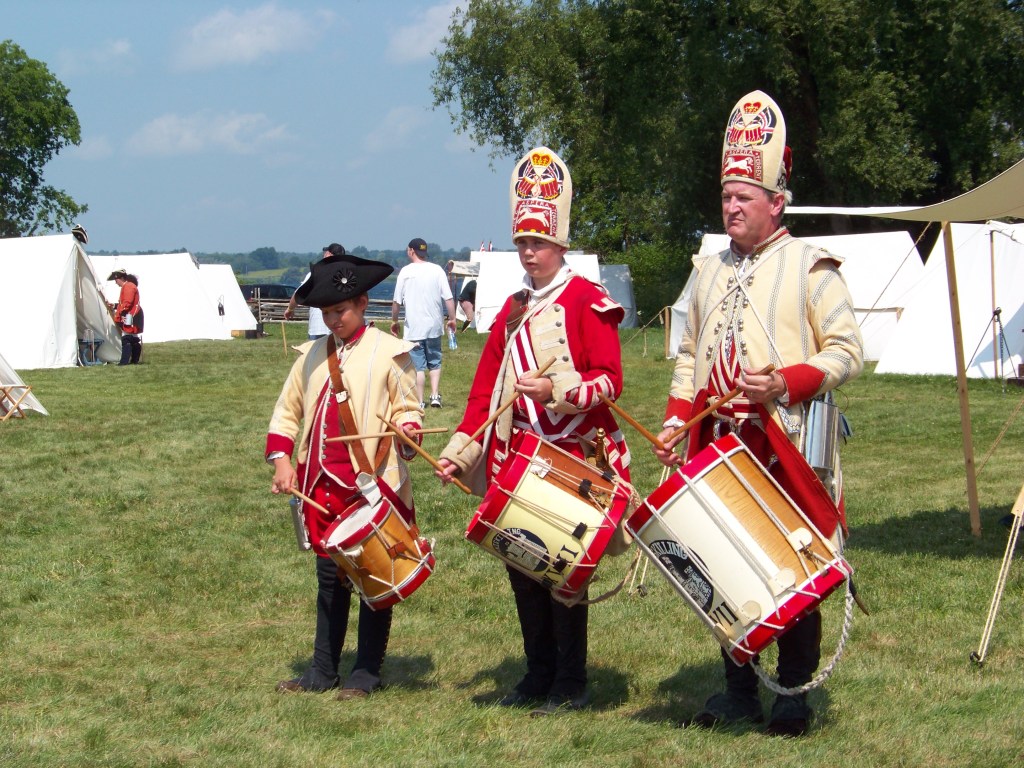
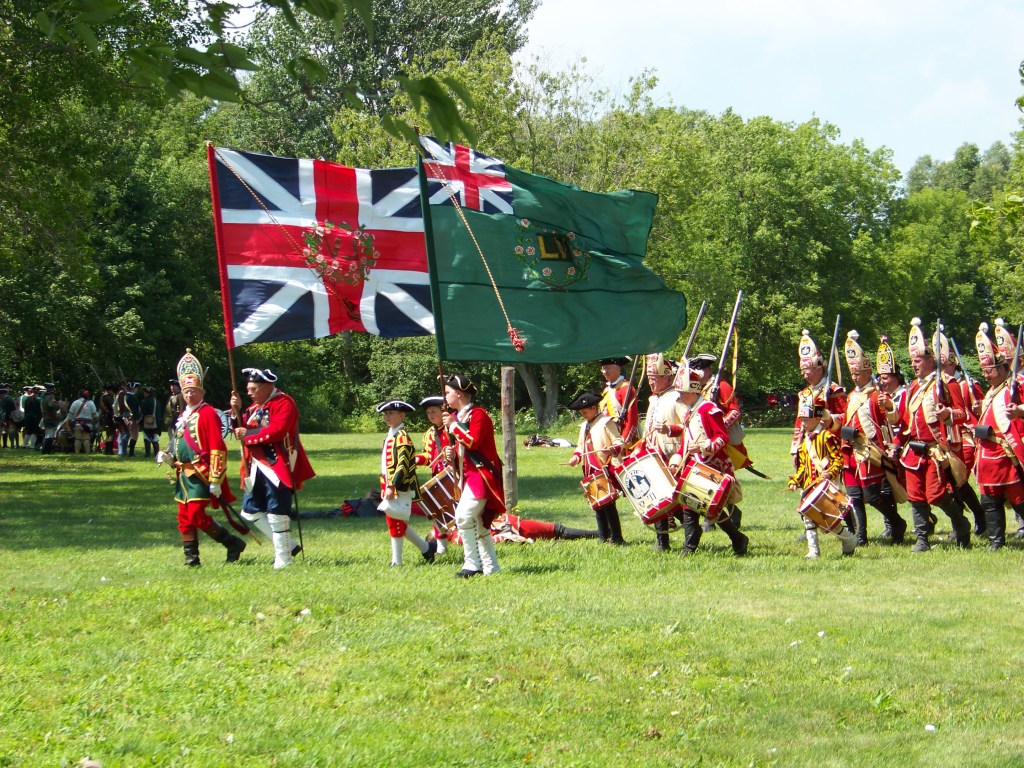
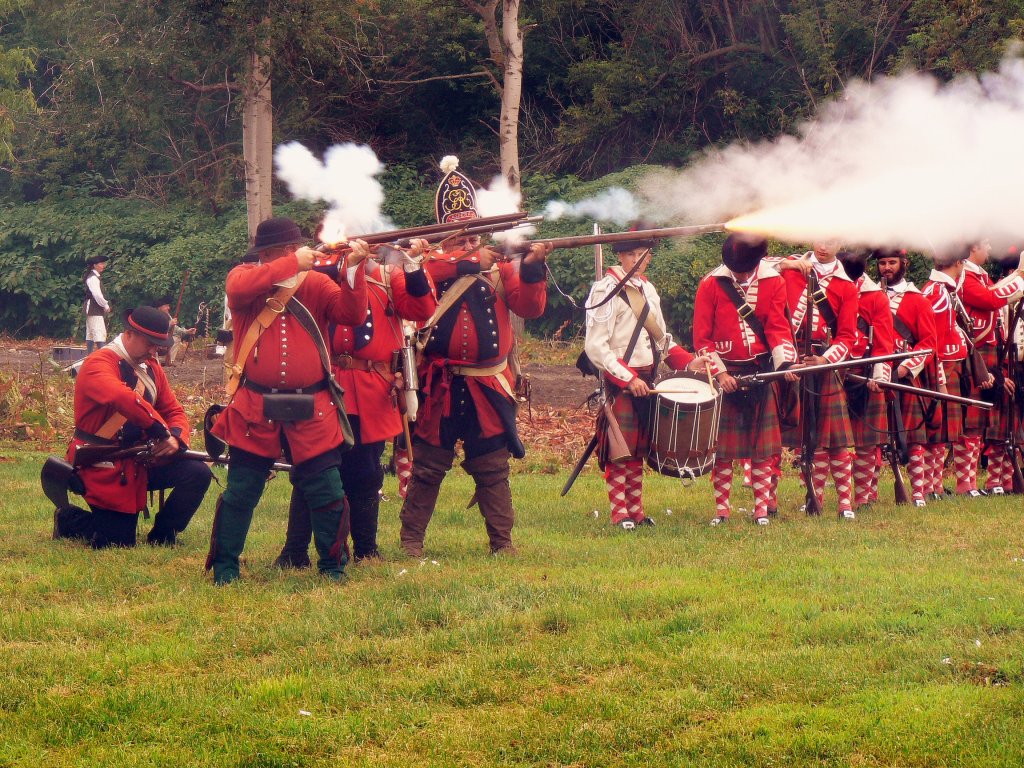
July 18, 19: American Revolution Skirmish. Revolutionary War battle reenactment featuring Continental and British forces. Witness authentic 18th-century military drills, musket demonstrations, and tactical engagements.
Recent Events…
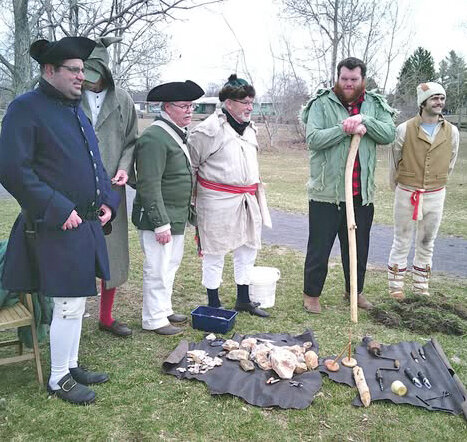
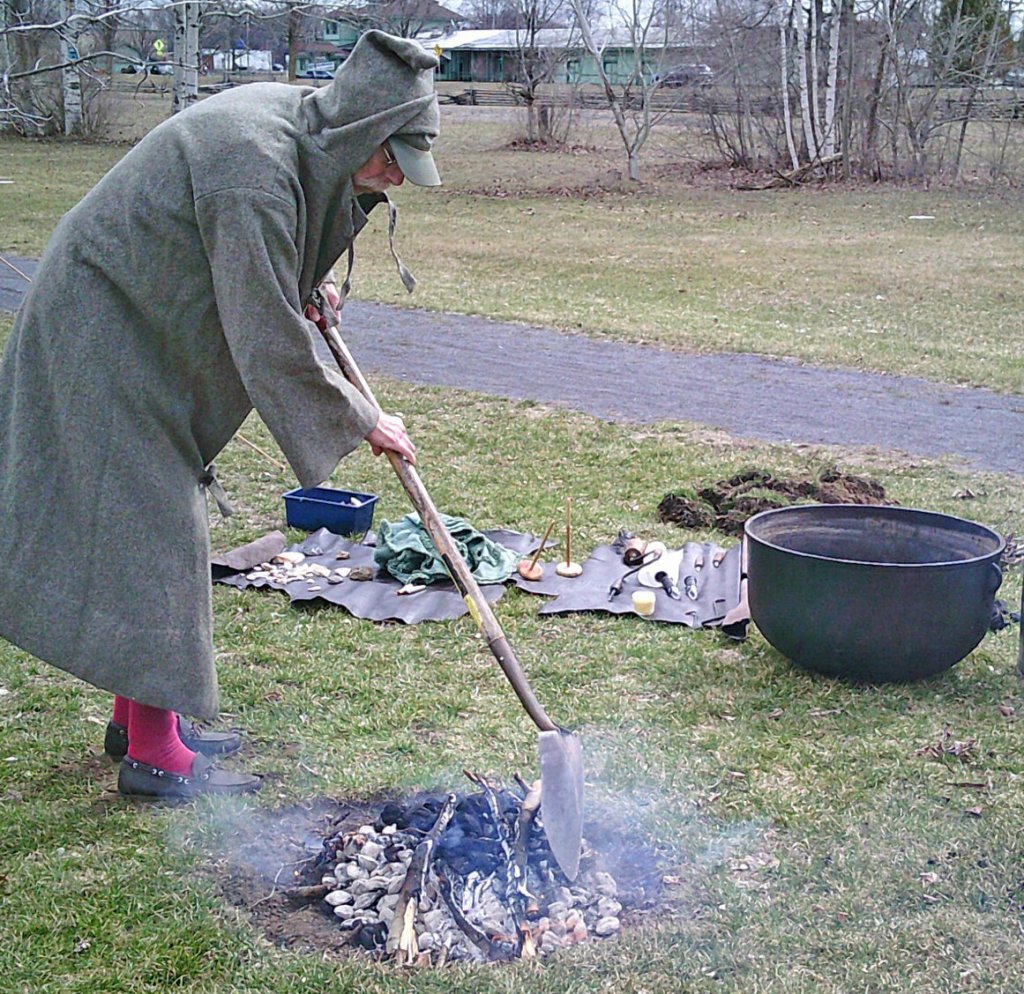
2026 MAPLE SUGAR DEMONSTRATION
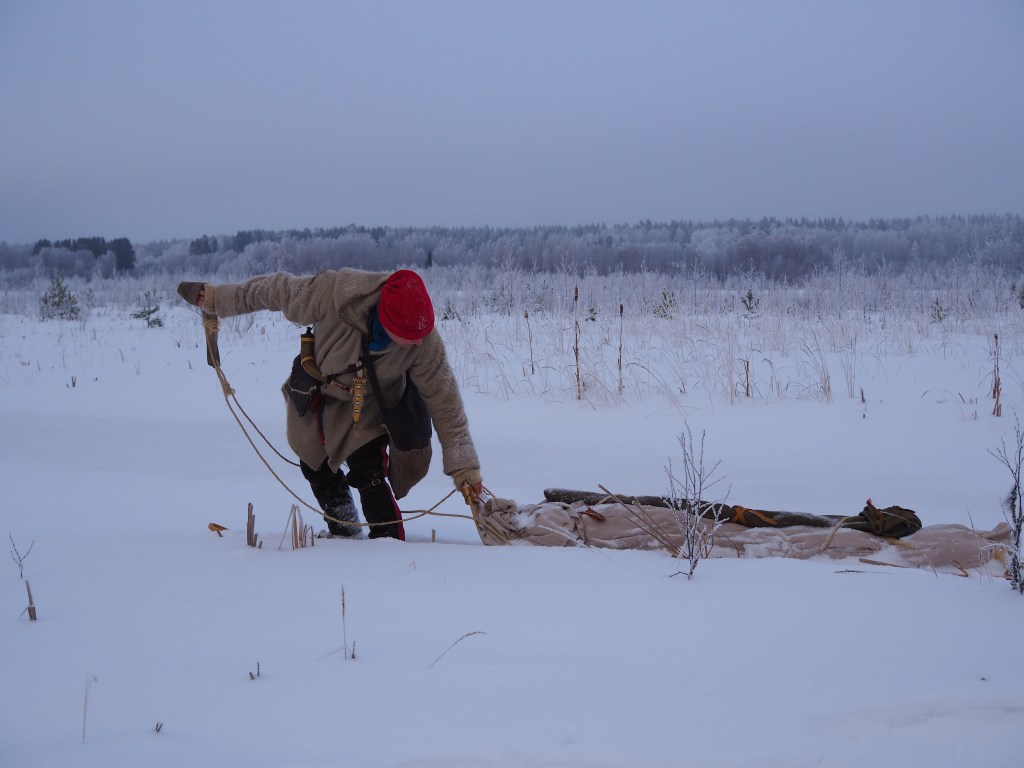
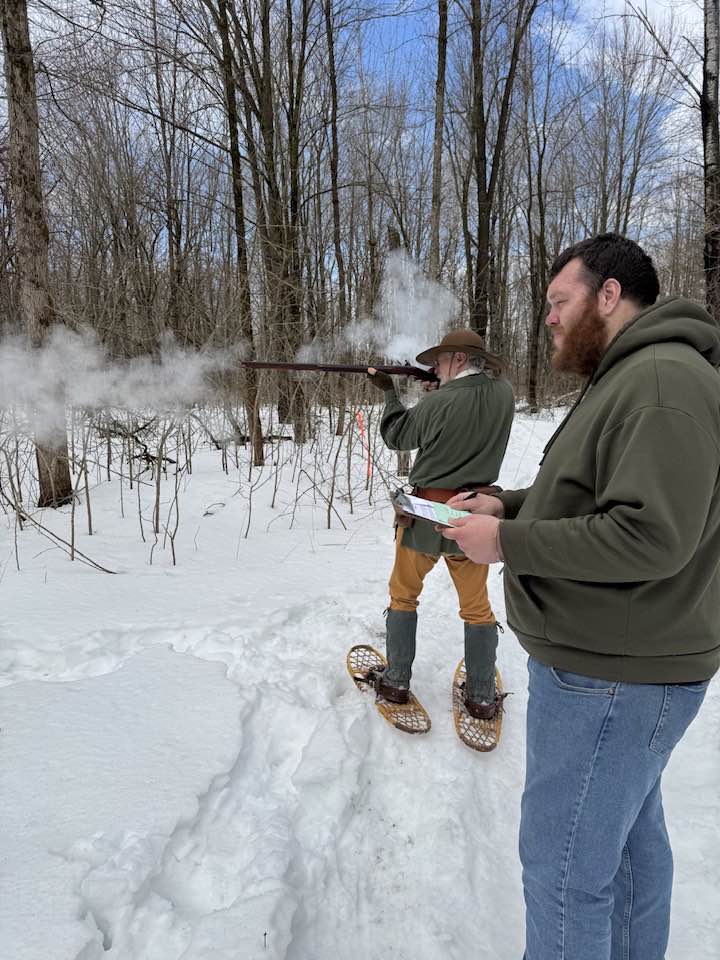
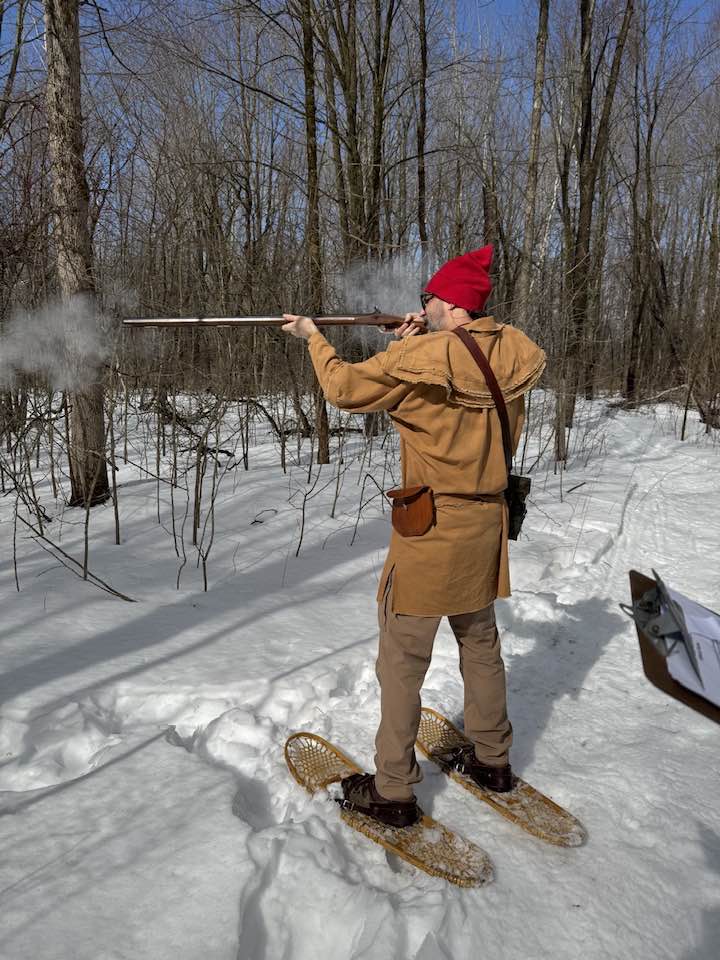
2026 SNOWSHOE BIATHLON
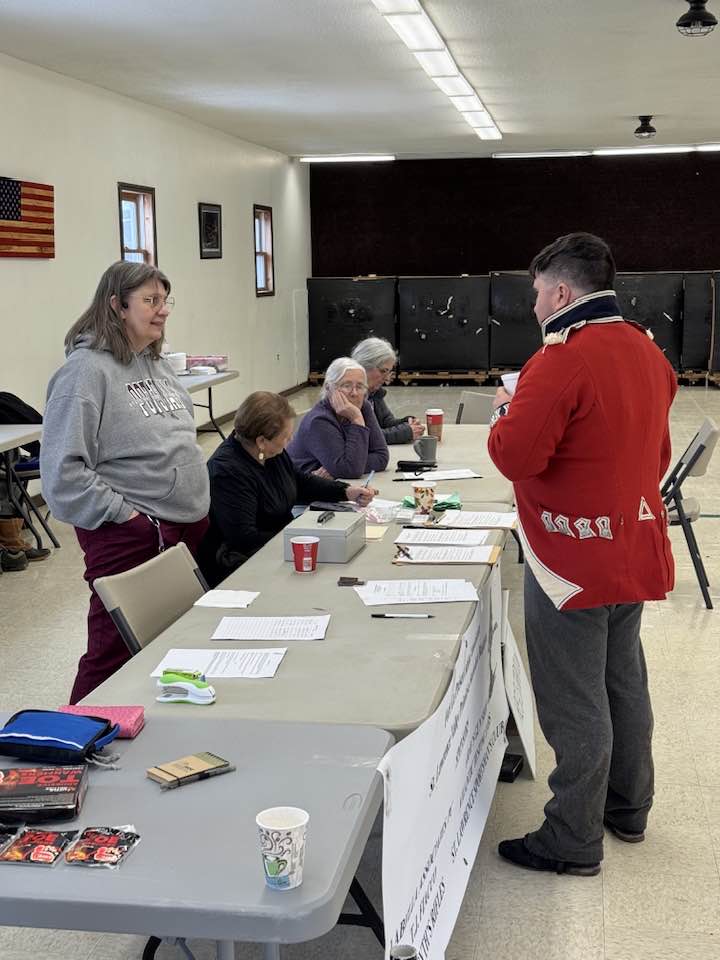
For the second year, weather forced improvisation for The 2026 St. Lawrence Valley Primitive Snowshoe Biathlon. Starting with over two feet of snow on the trail the day before the event, by Sunday there was 6-8 inches of meltwater under an equal amount of snow cover making the trail impassable.
An off-hand shooting event was quickly organized. This year’s event attracted runners from across New York State, Vermont, New Jersey, Virginia and the Canadian Province of Ontario. Our generous sponsors included La Bella Associates, P.C., T.J. Fiacco Construction, Gray’s Gunshop, Atlantic Testing Laboratories, the St. Lawrence Sportsman’s Club and Forsyth’s Regiment of Rifles. Funds raised will be used to support the development of the Fort La Presentation Visitor and Cultural Center.
Medalists in the 2026 Primitive Snowshoe Biathlon were:
Saturday, March 7.
Primitive Rifle Division Men, first, Joel Heins; second, Joe Tamagni; and third, Josh Bennett.
Primitive Rifle Division Seniors, first, Bryan Carson.
Smoothbore Division Ladies, first, Amanda Faskin.
Smoothbore Division, Men, first, Tim Cameron, second, Derek La Duc, and third, P.J. Miller.
In-Line Division Men, first, Ed Lycett.
Sunday, March 8.
Smoothbore Division, Men, first, Tim Cameron.
In-Line Division Ladies, first, Amanda Oldacre.
In-Line Division Men, first, James Burdick and second, Ed Lycett.
BATTLE OF OGDENSBURGH HELD
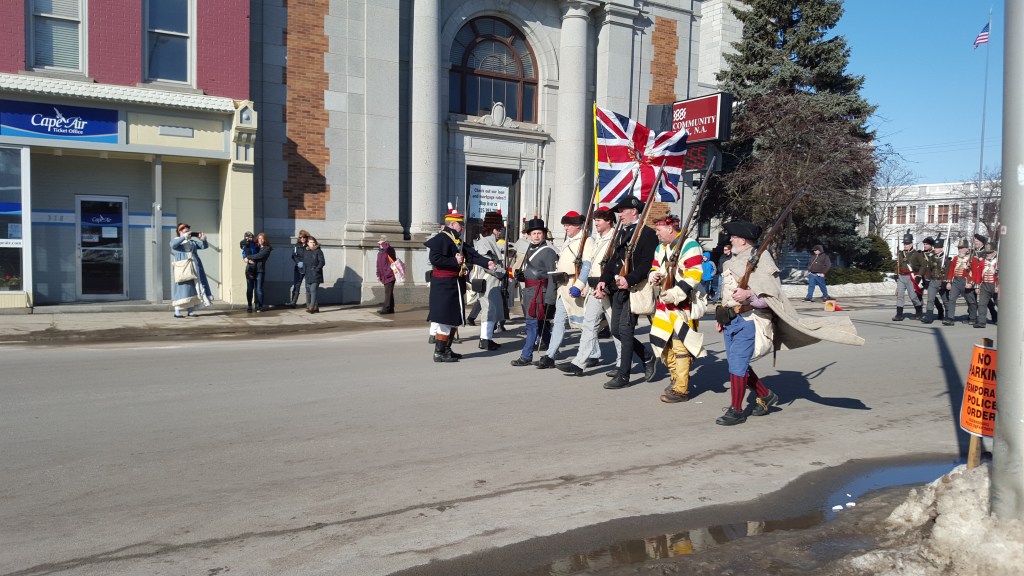
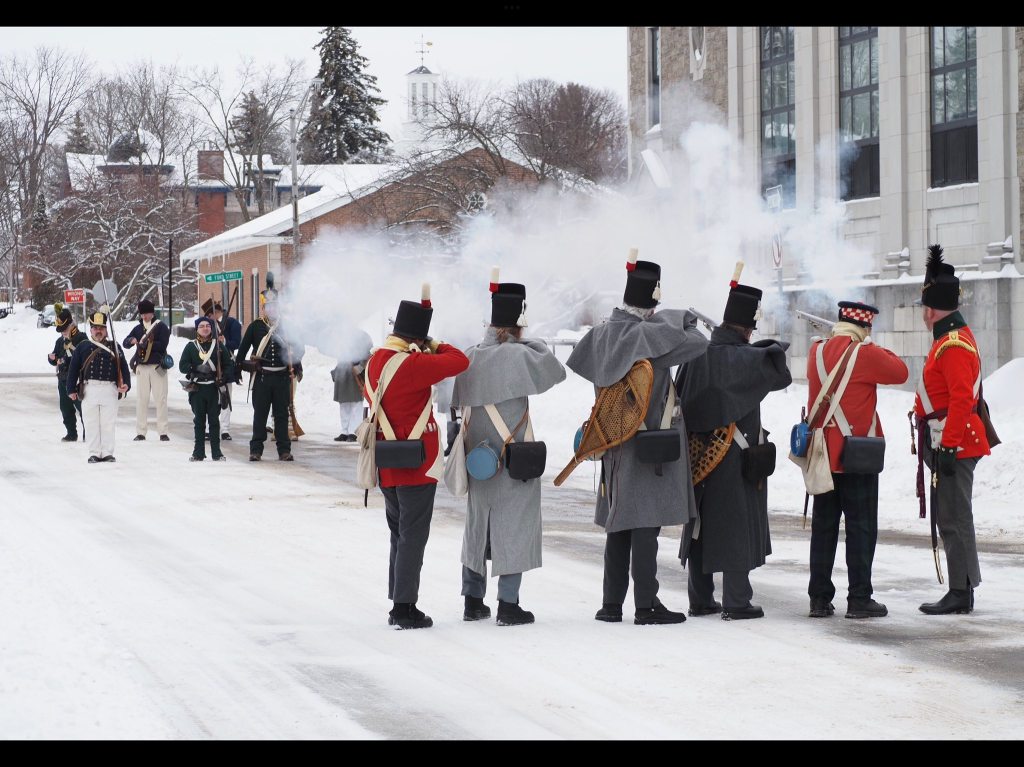
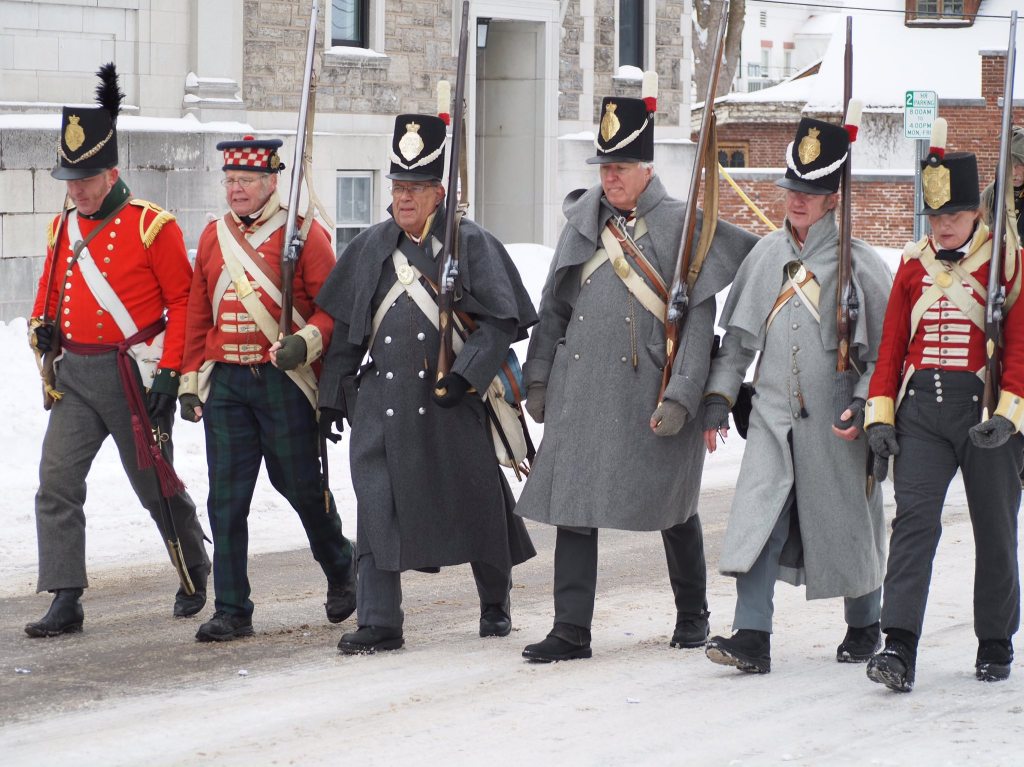
Once again, the reenactment of the Battle of Ogdensburgh was staged Feb. 21 and 22. The event featured a live reenactment of the historic attack on Ogdensburg during the War of 1812. That year, Major Benjamin Forsyth and the 1st U.S. Rifle Regiment were dispatched to the Village of Ogdensburgh to protect the northern border from British advances. Rather than remaining on the defensive, Forsyth and his men launched raids into British territory and fired upon British supply boats traveling the St. Lawrence River. These actions provoked a stronger response from the British, ultimately leading to their invasion of Ogdensburgh on George Washington’s birthday. As well, Dr. Tim Abel gave a presentation at the Ogdensburg History Museum. Dr. Abel, a University at Albany, SUNY graduate with a PhD in anthropology, has over 43 years of archaeological experience across Ohio, Pennsylvania, and New York, including expertise in military and historical sites.
ANNUAL AWARDS DINNER HELD
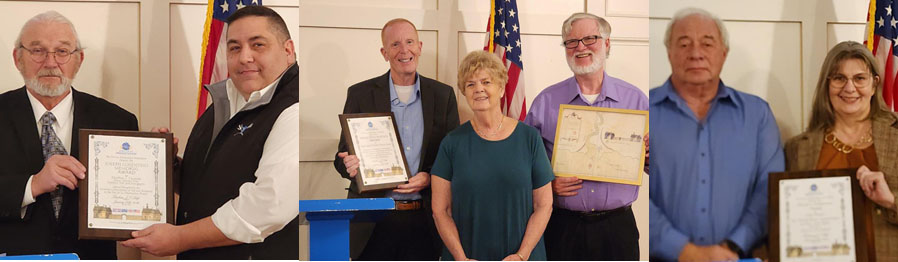
The Fort La Prestation Fort Association (FLPA) held its annual dinner and award ceremony at the Ogdensburg Elks Club Jan. 16. In the first photo FLPA Board member Dallas Robinson presents the Joseph Consentino Award for commitment to the association’s efforts to Matthew Curatolo, editor of the Advance News, Northern NY Newspapers; in the second photo FLPA President Barbara O’Keefe presents the Persis Yates Boyesen Award for outstanding contributions to the association to Ken Gardner at left, representing recipient the Ogdensburg Volunteer Rescue Squad and Ogdensburg Counselor Storm Cilley, representing recipient the City of Ogdensburg; and in third photo FLPA Board member Tim Cryderman presents the David L. Dickinson Annual Volunteer Award to Lisa Hanss.
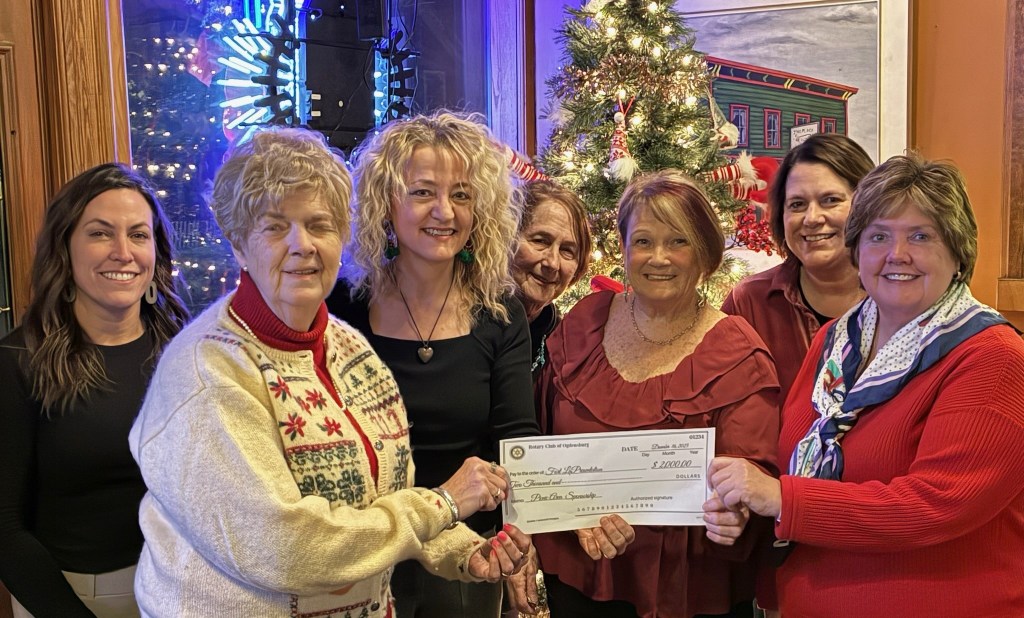
The Rotary Club of Ogdensburg presented a check to Fort La Presentation President Barbara O’Keefe and Board Members Marsha Hough and Debbie Janson in December as the first payment of a three-year $5,000 pledge to add a picnic area on the fort grounds for the community to enjoy. The club surprised the fort board members with the donation at the annual Rotary Holiday Fellowship gathering. The Rotary Club partners with the Fort on many projects and the Rotary Community Garden is on fort property. From left are Liz Testani, Barb O’Keefe, Donna Trim (Rotary president), Katie Lancto Weir (Rotary president elect), Marsha Hough, Cynthia Ayer (Rotary secretary), and Jennifer Stevenson (Rotary treasurer.)
ABBE PICQUET WALKING TRAIL PAVILION DEDICATED
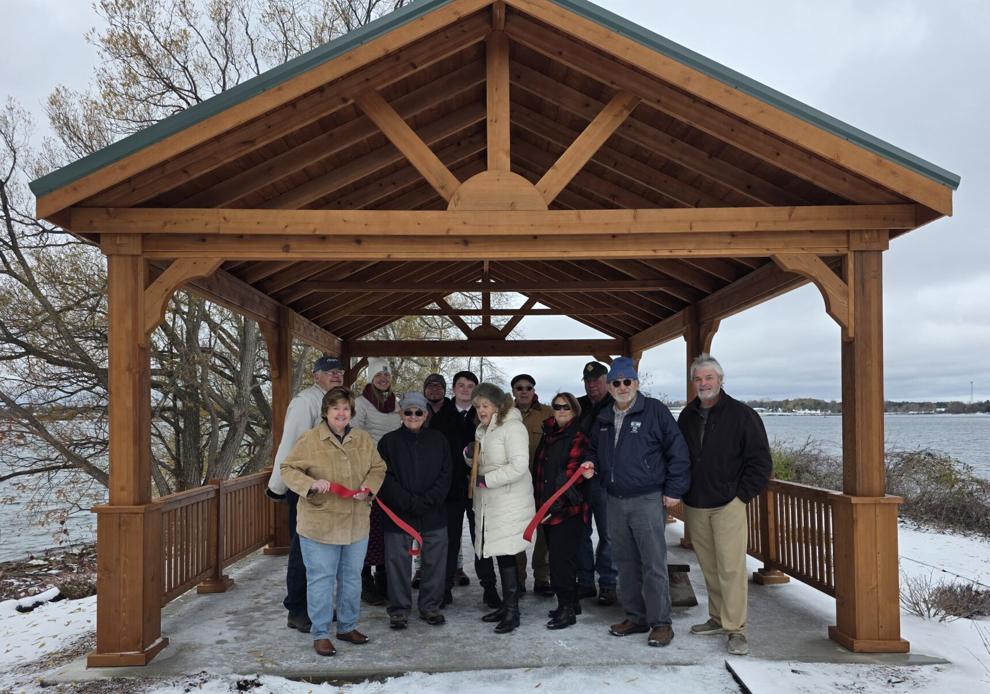
A ribbon-cutting was held Nov. 10 at Van Rensselaer Point, Ogdensburg, celebrating the construction of the Fort de La Presentation Association’s new pavilion. Front row from left are City Councilor Jennifer Stevenson; guest speaker Ken Friedel; Association President Barbara O’Keefe; Board members Marsha Hough and Dallas Robinson, and County Legislator Dave Forsythe. Back row are Board member Bill Merna; Ana Thomas, senior architect with LaBella Associates; Zach Redder with North Country Storage Barns; Sidney Wheeler with Sen. Mark Walczyk’s office; the Association’s Martin Sebastian and Tim Cryderman. Photo courtesy of Matt Curatolo of the Ogdensburg Advance News. The pavilion was made possible by funding efforts from the New York Resiliency and Economic Development Initiative, the Grassroots Foundation, the Northern New York Community Foundation’s Dr. D. Susan Badenhauser Legacy Fund, Allan Newell, and other donors.
REMEMBERING THE BATTLE OF CHRYSLER’S FARM
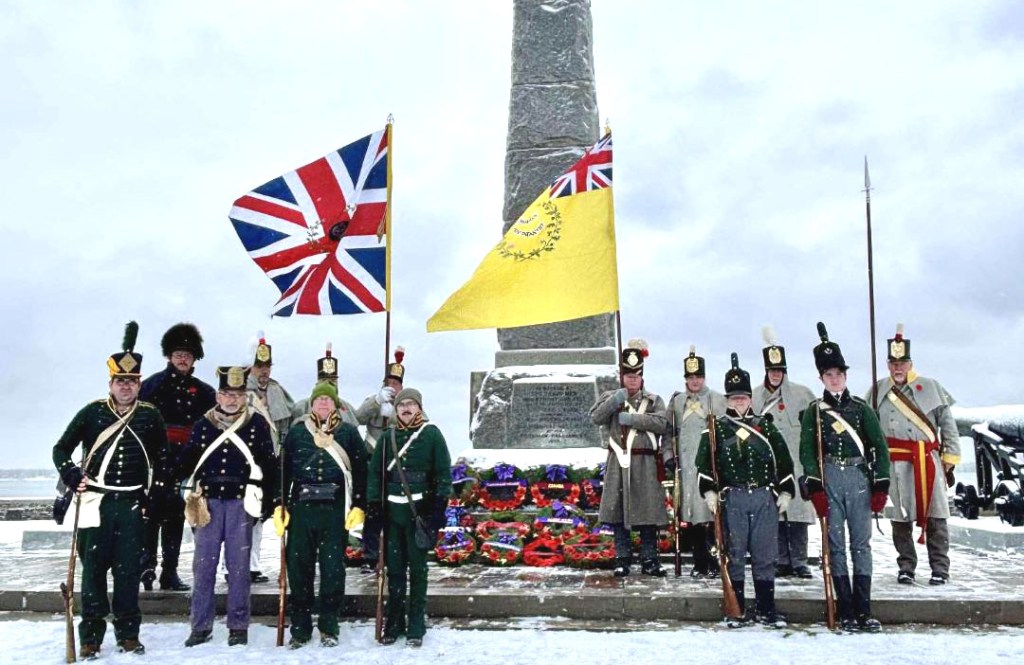
Local reenactors were present Nov. 11 at the 212th anniversary of the Battle of Chrysler’s Farm near Morrisburg, Ontario, across the St. Lawrence River from Waddington. On Nov. 11, 1813, as part of the War of 1812, the U.S. launched an invasion aimed at capturing Montreal with 8,000 troops suffering a humiliating defeat. Less than a thousand British and Canadian troops repelled the Americans who suffered heavy casualties and retreated. The American army, disheartened and with significant losses, abandoned the campaign and returned to winter quarters. The event is sponsored annually by the Friends of Crysler’s Farm which, every July, holds a reenactment on property near the battle. The original site was inundated by the St. Lawrence Seaway in 1958.
WE APPRECIATE THEIR HELP!
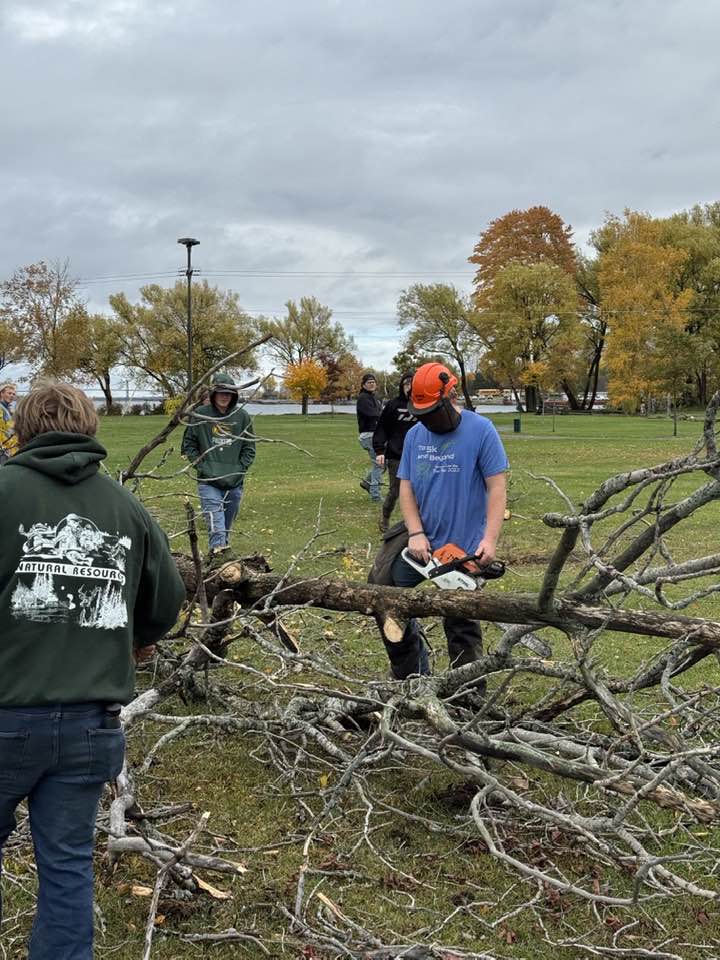
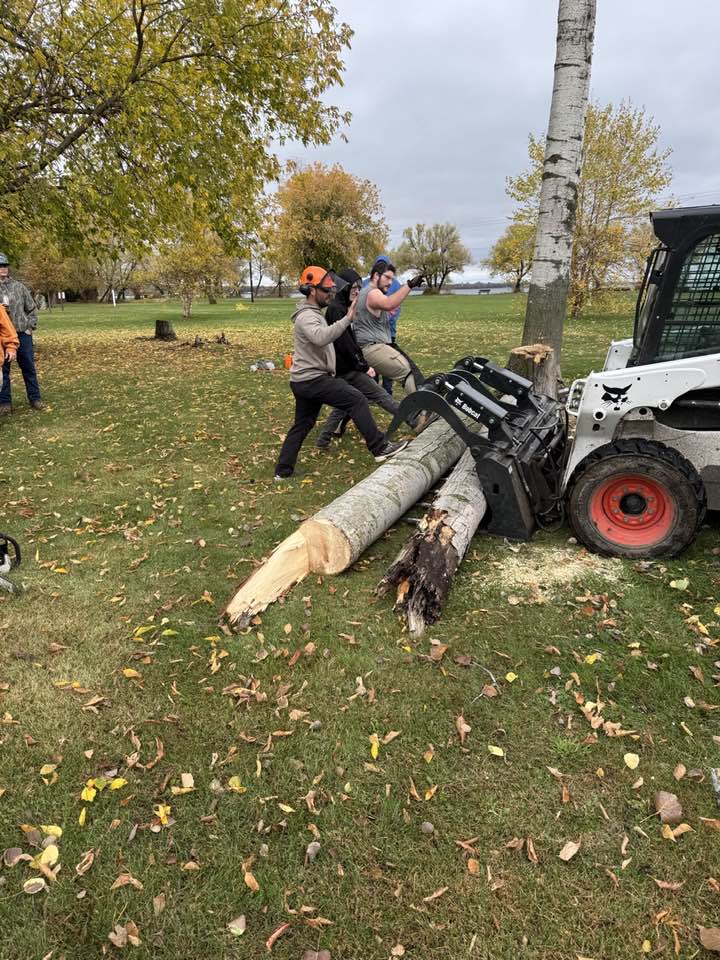
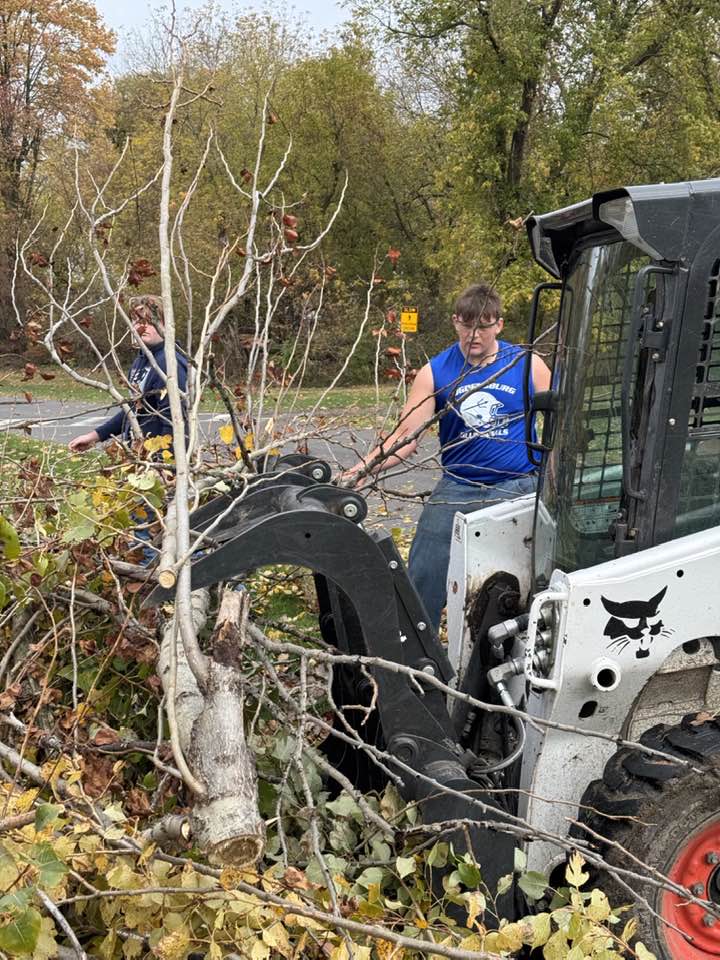
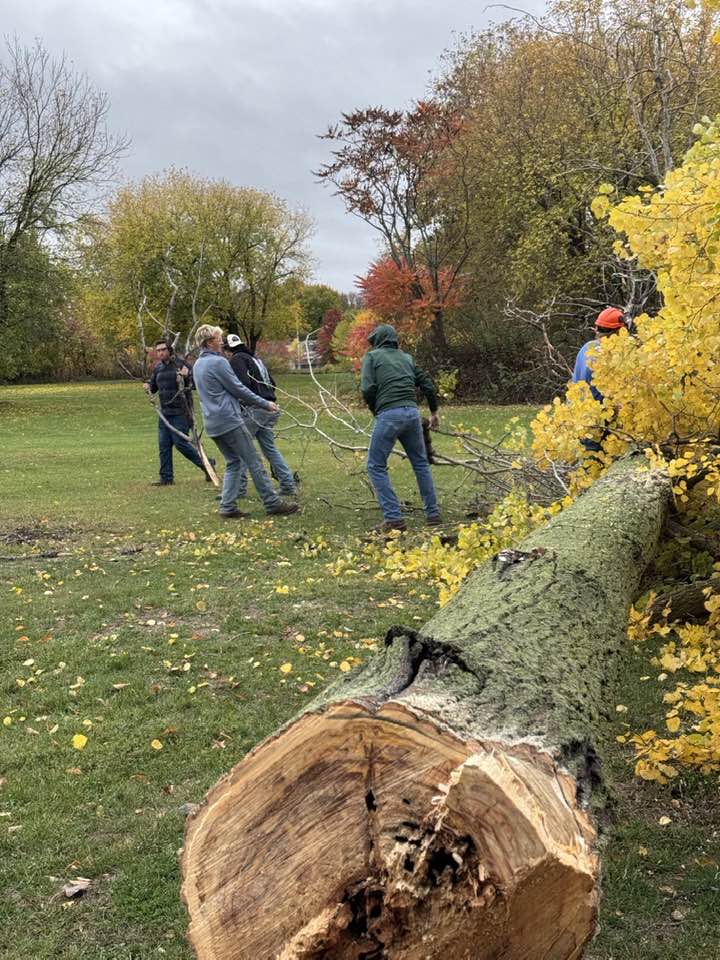
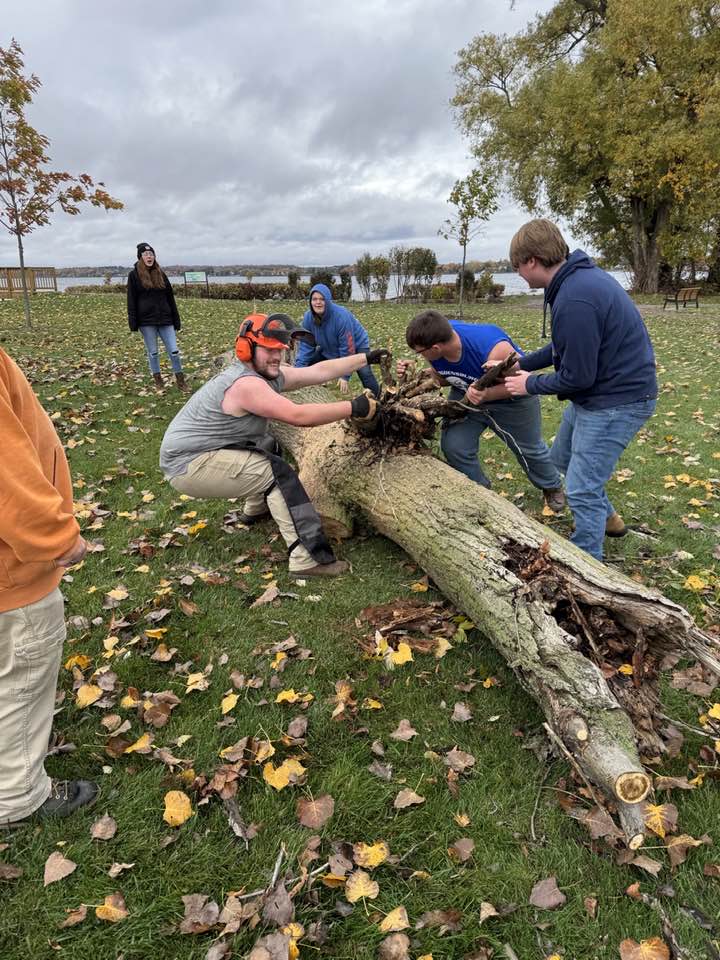
The Fort La Presentation Association is very appreciative to have received the recent assistance of John Santamoor’s class of Natural Resources Management from the Ogdensburg Boces to help us with cleanup activities at the fort site. We thank Wyatt Abar, Logan Carr, Jackson, Dumas, Garrett Flack, Trenton Joanette, Noah Jones, Brody Kelly, Kayden King, Ariel Krake, Gavin LePage, Andrew La Vair, Logan Morrow and Matthew Seeley for all their hard work and are very much looking forward to their assistance in the future. The community should be very proud of them.
Allan P. Newell Cited For Support
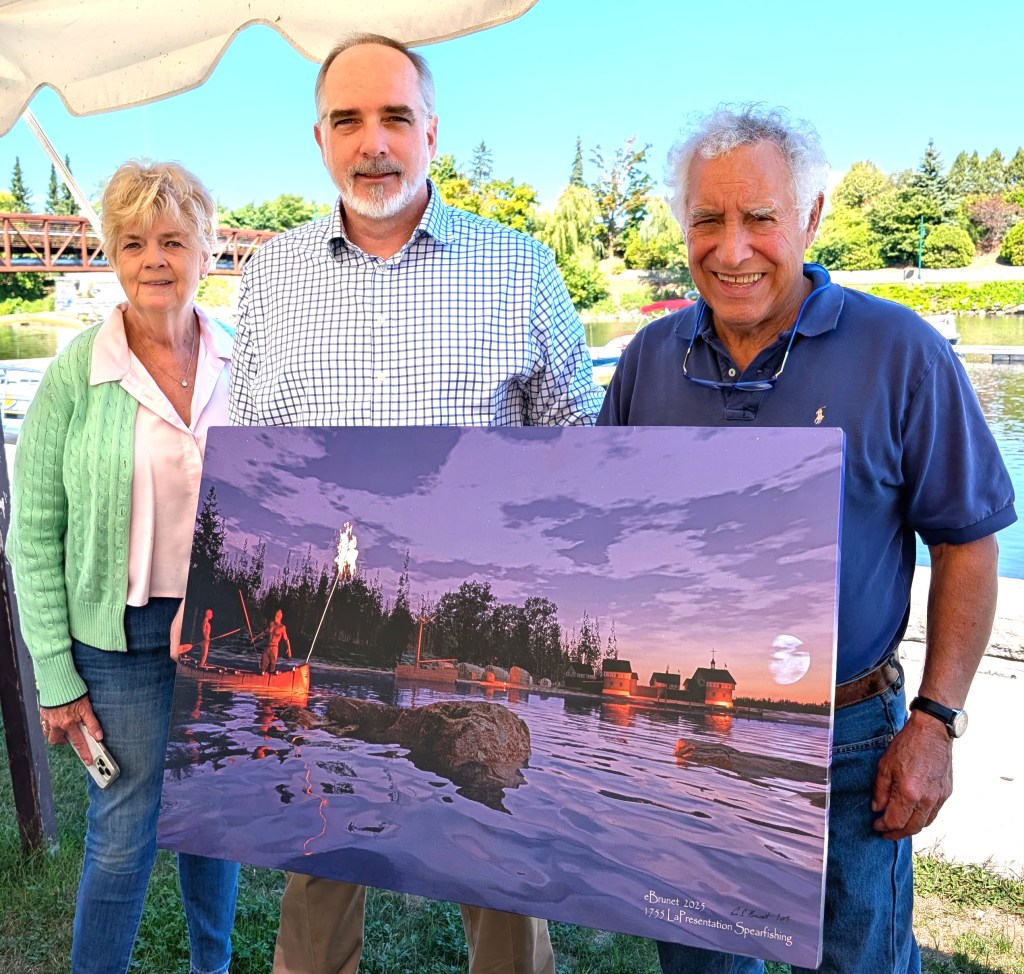
Allan P. Newell, at right, a champion of the Fort La Presentation Association’s efforts to develop Van Rensselaer Point in Ogdensburg and eventually recreate the fort, was recently presented with a limited edition print “with sincere thanks for your enduring personal and foundational support of the Fort La Presentation Association and heartfelt gratitude for your steadfast and invaluable contributions to our mission.”
The presentation was made by Barbara O’Keefe, association president, and Eric Brunet, association treasurer and creator of the print, “1775 La Presentation Spearfishing.”
Newell, of Hammond, was cited in 2019 with the New York State Senate Commendation Award for his efforts to give back to his community and improve the quality of life in Northern New York. The businessman and philanthropist is a member of the Newell Rubbermaid board of directors and co-founded and is president of the Sweetgrass Foundation, which has provided grants to numerous North Country organizations including the Frederic Remington Art Museum in Ogdensburg, the Wild Center in Tupper Lake, SUNY Potsdam, St. Lawrence University, Clarkson University, SUNY Canton, Pickens Hall in Heuvelton, Traditional Arts in Upstate New York, the Silas Wright Museum in Canton and the Thompson Park Zoo in Watertown, among others.
In addition to providing scholarships to more than 200 SUNY Potsdam students, Newell also helped establish a scholarship endowment through a personal gift to SUNY Canton. He also helped provide the private funding required to secure the matching state funds for the construction of SUNY Canton’s Newell Veterinary Technology Center.
Founded in 1903 in Ogdensburg, the Newell Company began as a manufacturer of curtain rods. In the years since, the company has become Newell Rubbermaid, Inc., a global marketer of consumer and commercial products including Rubbermaid, Sharpie, Yankee Candle, Paper Mate, Dymo and Elmer’s, among others.
In 2023, the Fort La Presentation Association dedicated the Newell Family Archeological Park on Van Rensselaer Point calling Newell “a true unsung hero for the Fort La Presentation Association since we first organized more than three decades ago,” said O’Keefe at the dedication. “Allan recognized long before most people that priceless historical relics from North America’s rich colonial history are buried on Van Rensselaer/Lighthouse Point,” she said. “Thanks to his generosity, we will be able to recover, preserve and interpret for future generations some of these artifacts from five important periods in Ogdensburg’s very rich cultural heritage which are still buried on Van Rensselaer Point.”
City Historian Julie Madlin, president of the Ogdensburg History Museum, also spoke at the dedication, saying that few families have played such an important role in preserving the history of the community. She said that when a small group of volunteers came together to form the Fort La Presentation Association in the 1980s and the 1990s, Allan P. Newell was one of the first major contributors to their efforts to preserve the history of Lighthouse Point, Fort La Presentation and the area’s role in the colonial battles that shaped North America.
“Over the past four decades Allan Newell has always been there, not just because he recognizes the importance of preserving our past, but because it’s the kind of man he is. It’s also part of his heritage, part of his family’s history, and a role that generations of the Newells have played for over a century in Ogdensburg,” said Madlin.
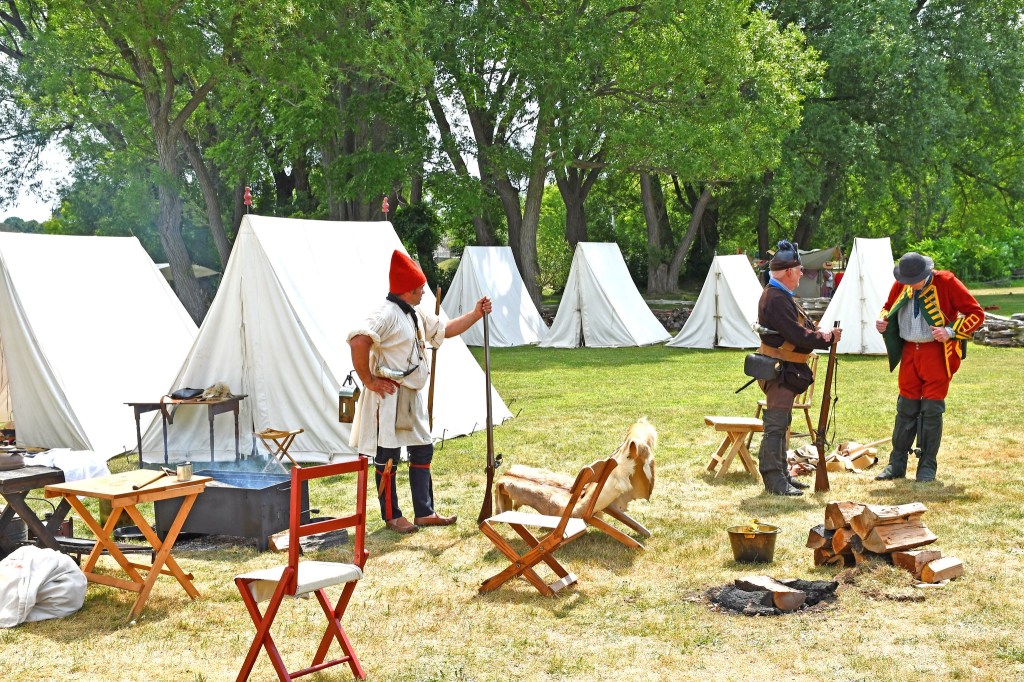
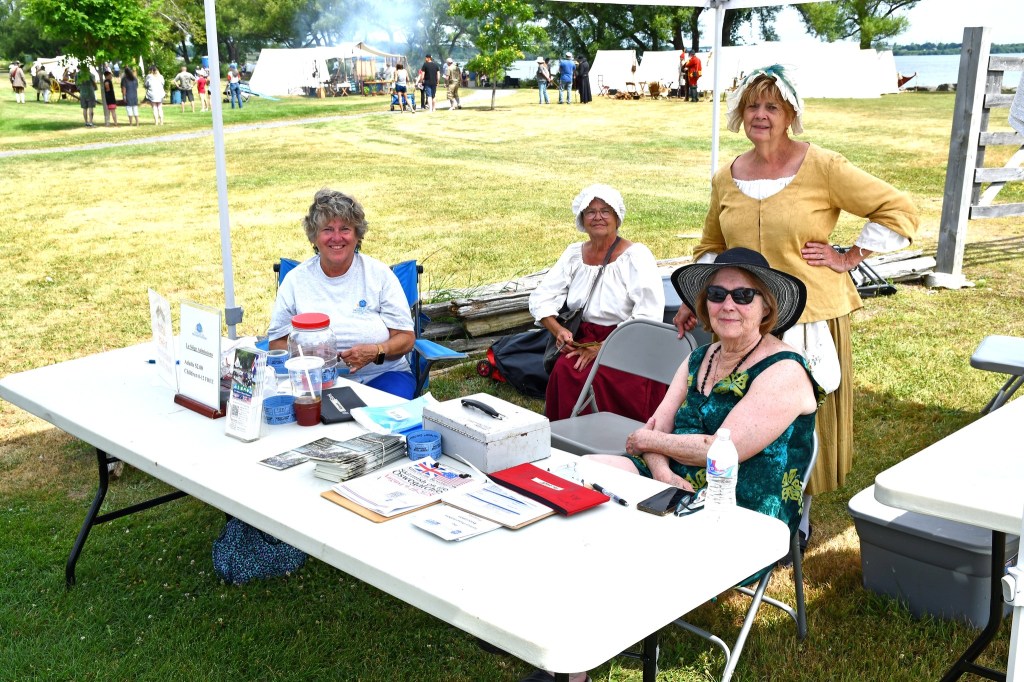
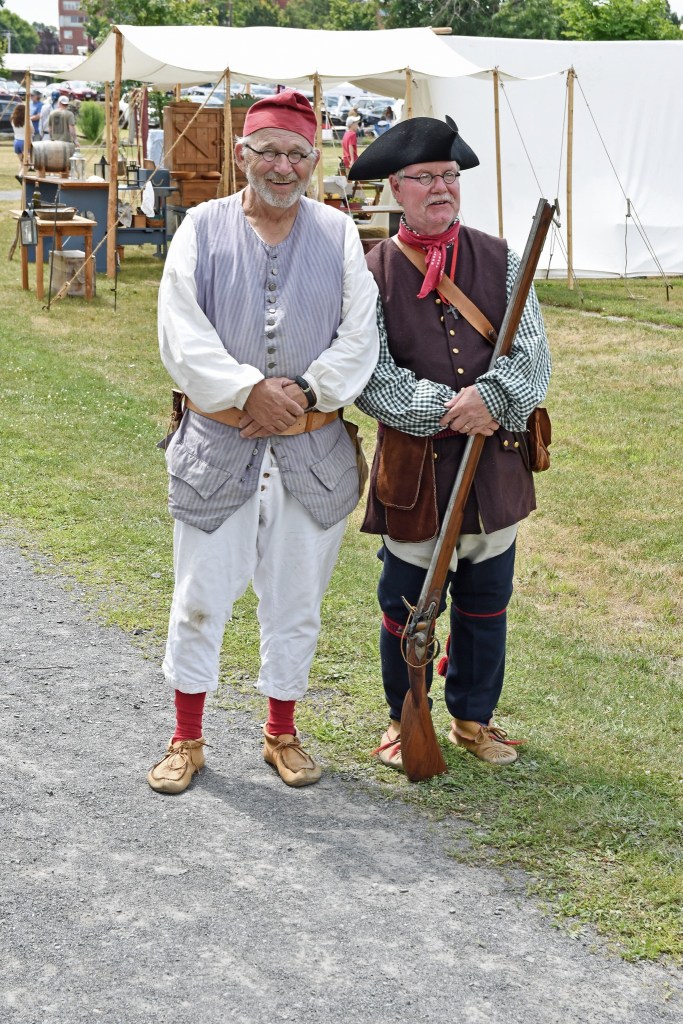
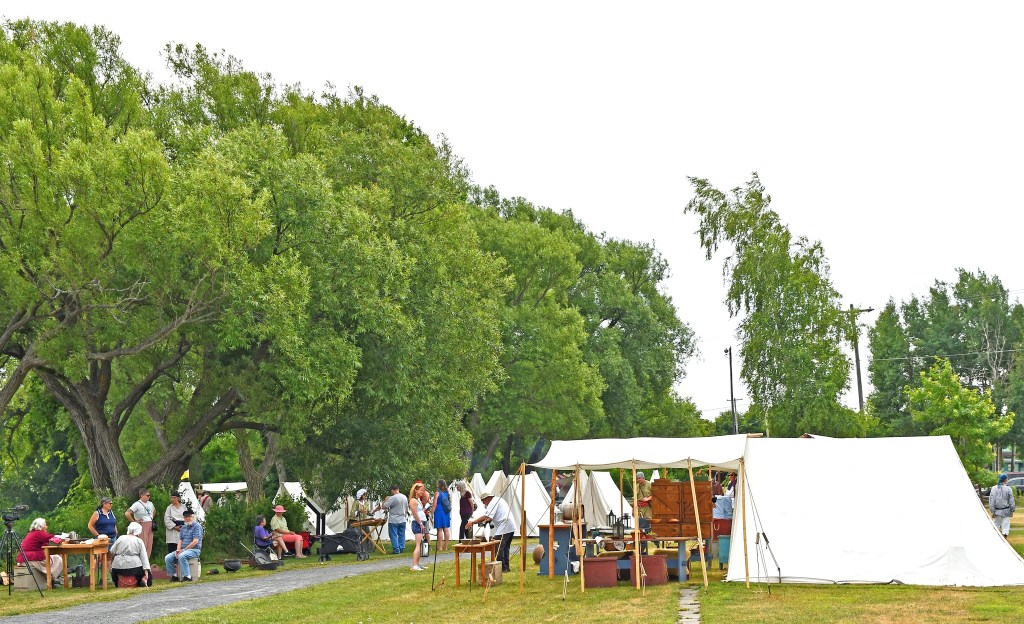
Le Siege 2025




Skirmish On The Oswegatchie
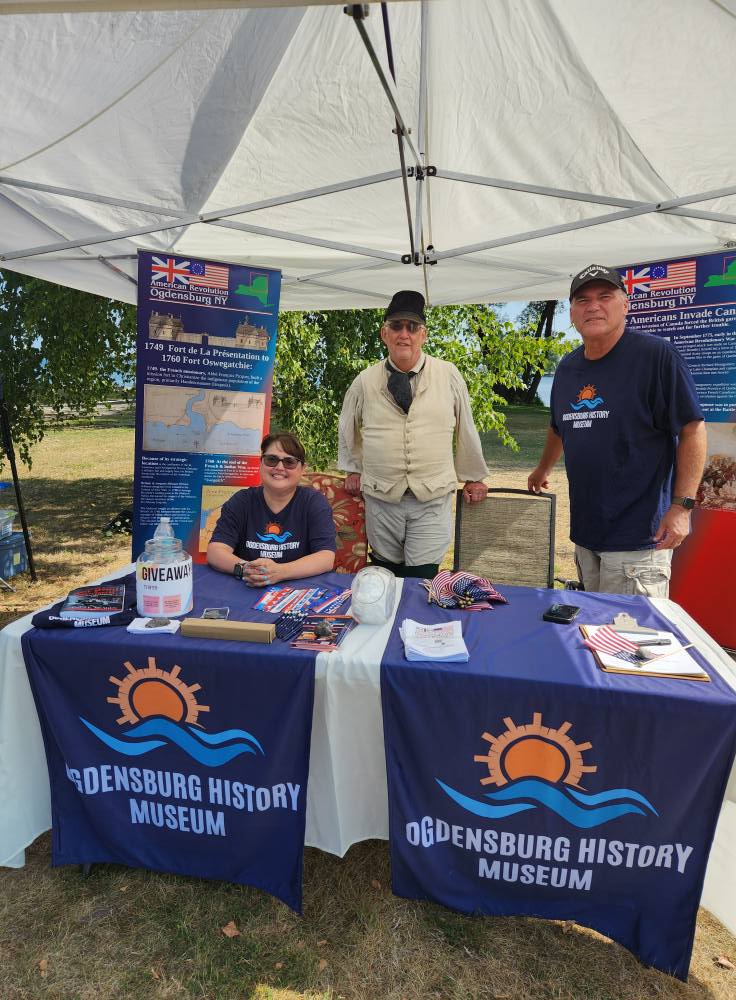
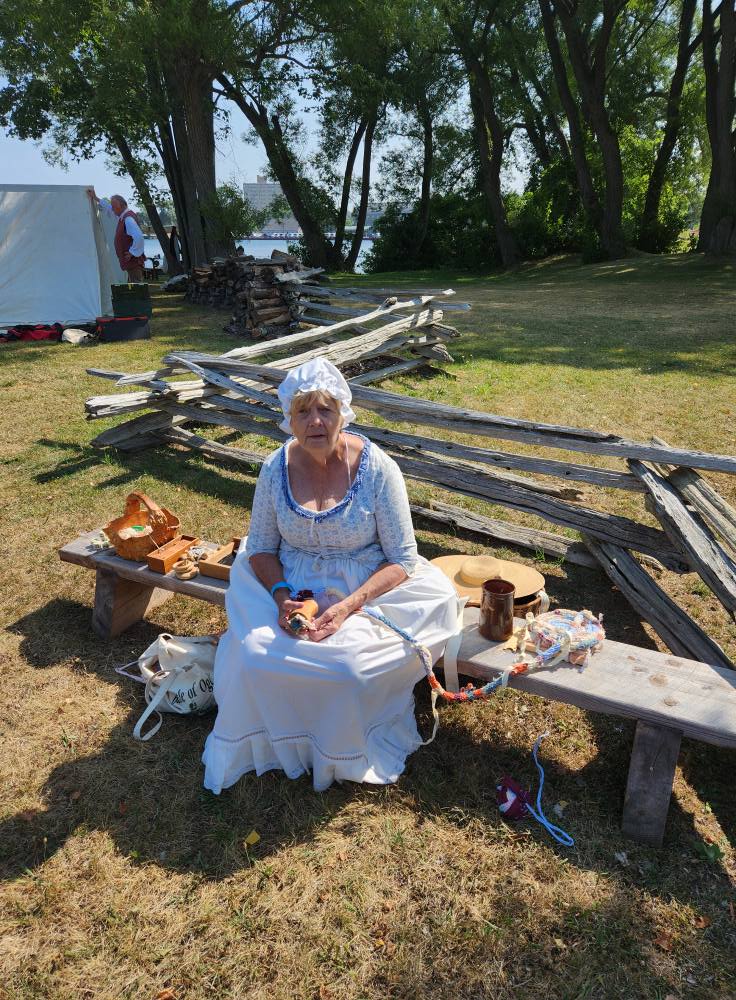
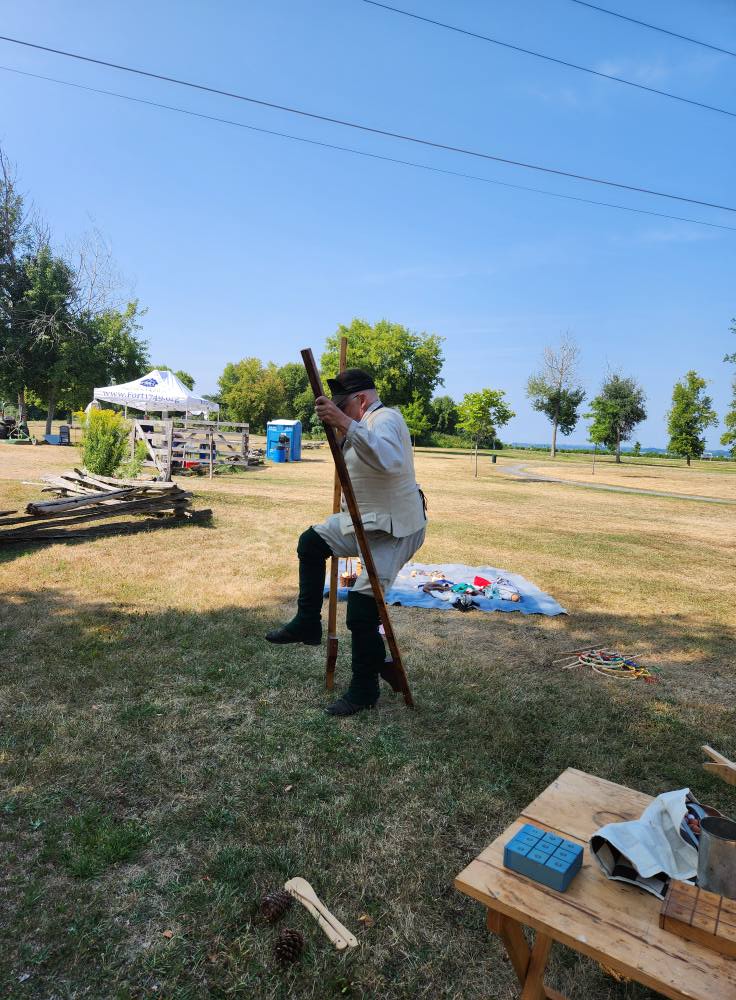
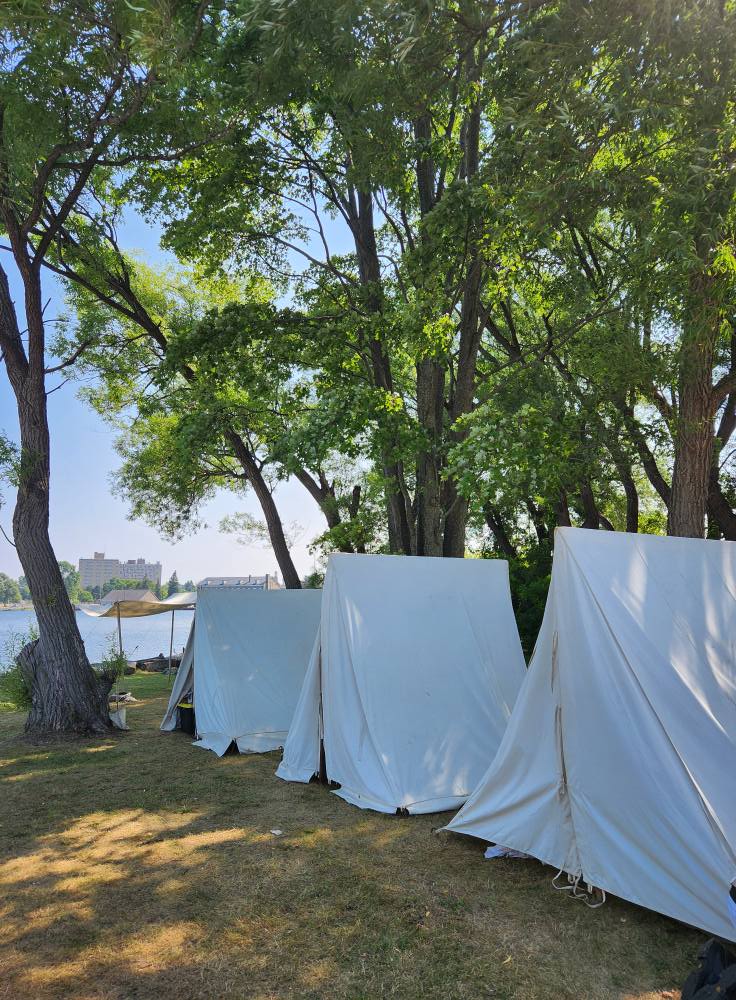

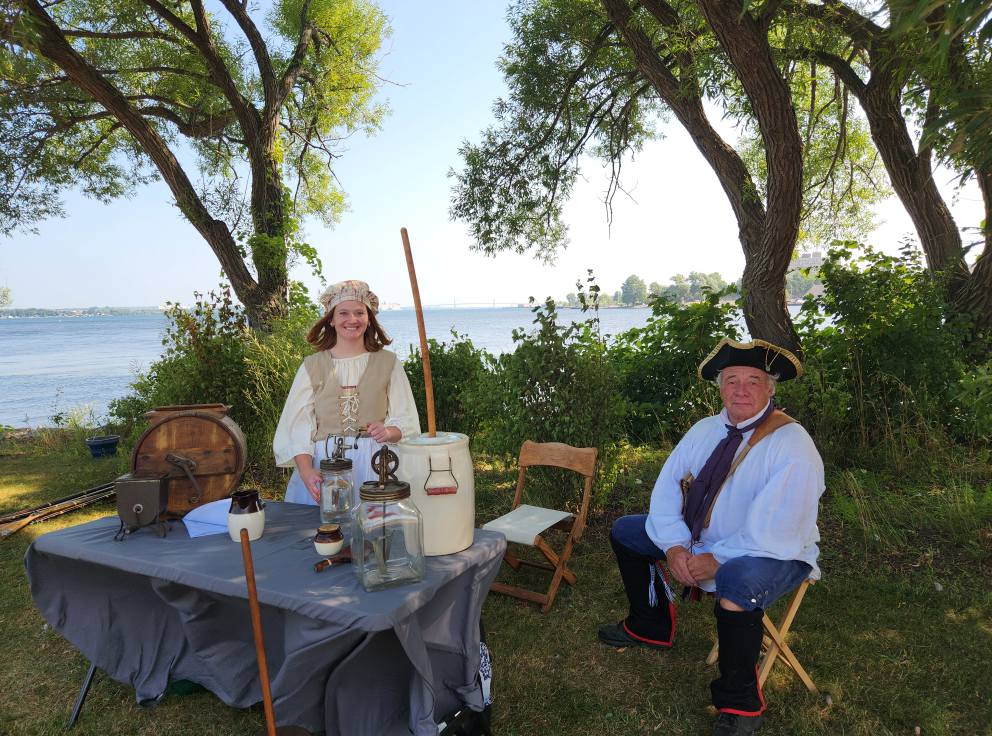
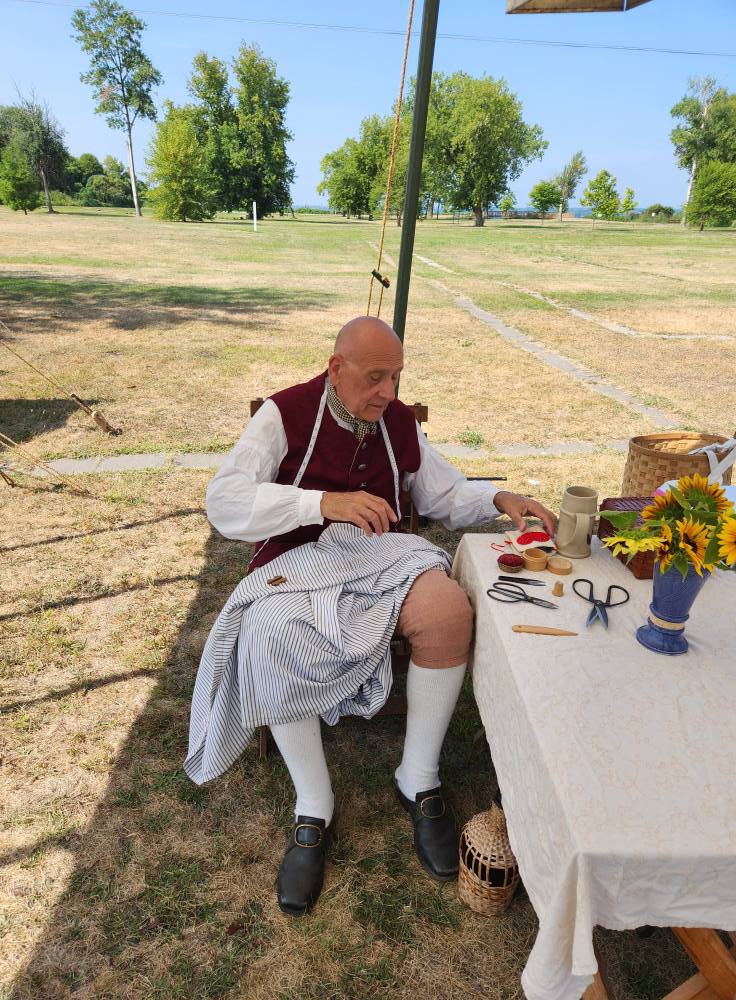
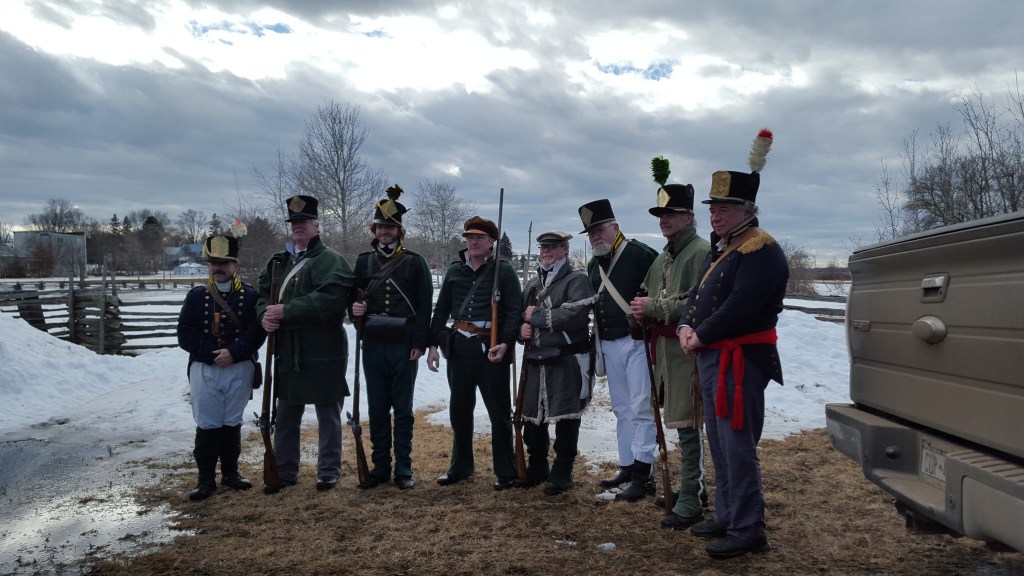
Forsyth’s Rifles
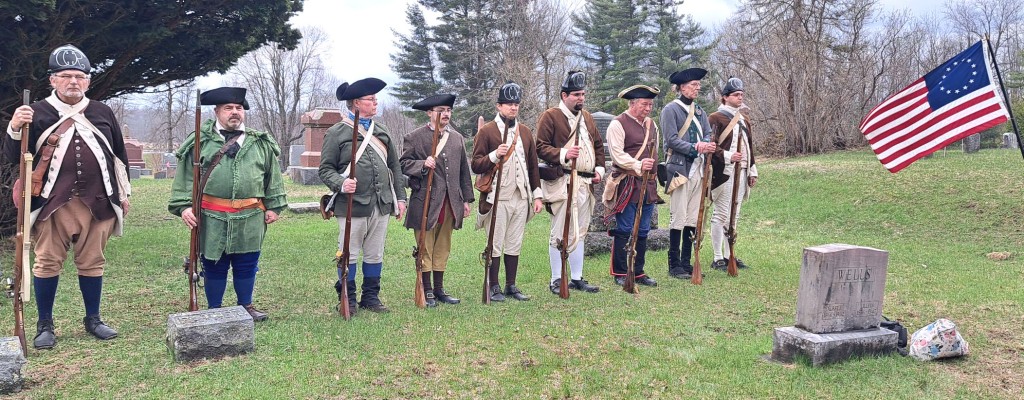
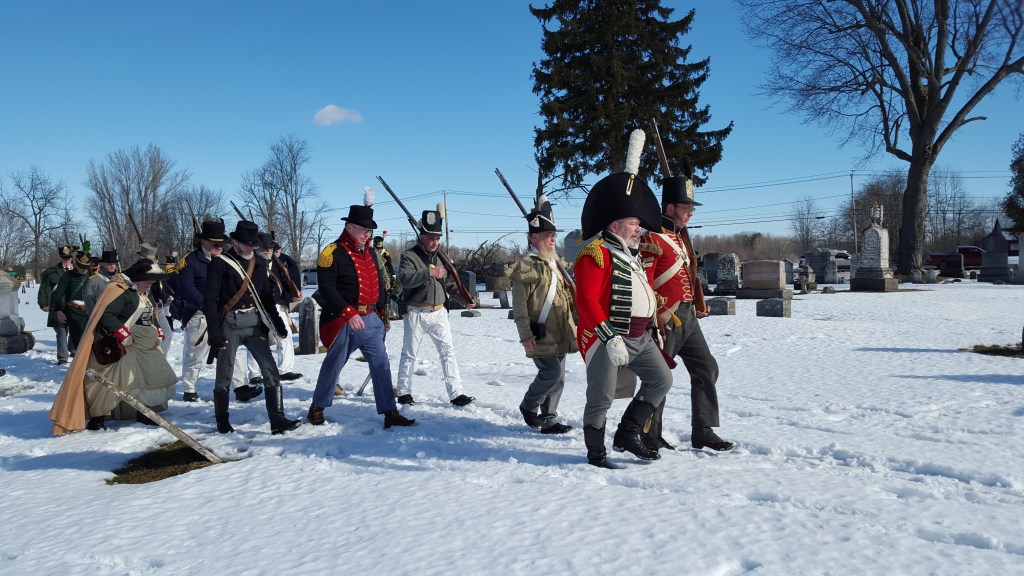
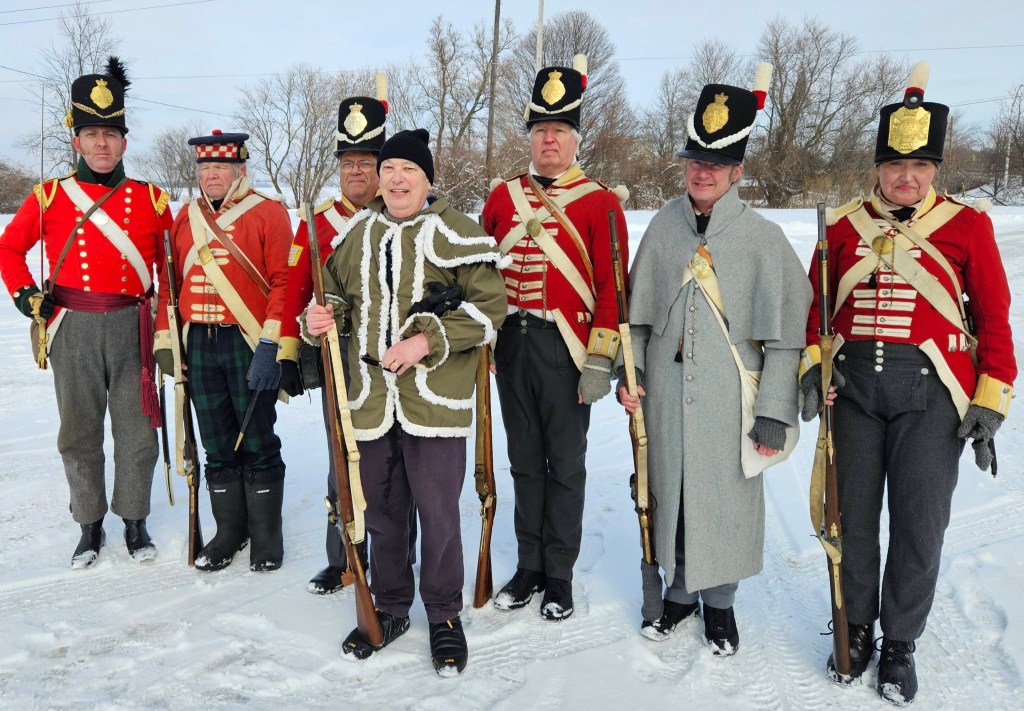
The Forsyth’s Rifles Honor Guard was on hand at the Ogdensburg Cemetury April 19 to recognize the 250th anniversary of the “shot heard ’round the world,” which marked the beginning of the American Revolutionary War. Re-enactors, from left, are Dallas Robinson, Bill Granger, Fred Hanss, Hunter Crary, Josh Bennett , Matt Sheehan, Tim Cryderman, John Miller, and P.J. Miller.

VIDEOS
discover fort la presentation
HELP US BUILD A FORT
THE FRENCH & INDIAN WAR NEAR OGDENSBURG
THE FIFER BOY OF 1779
RIVER OF GOLD
ROAD TRIP IN AMERICA JUST PASSING THRU: FORT DE LA PRESENTATION
More Videos…
__________________________________________________
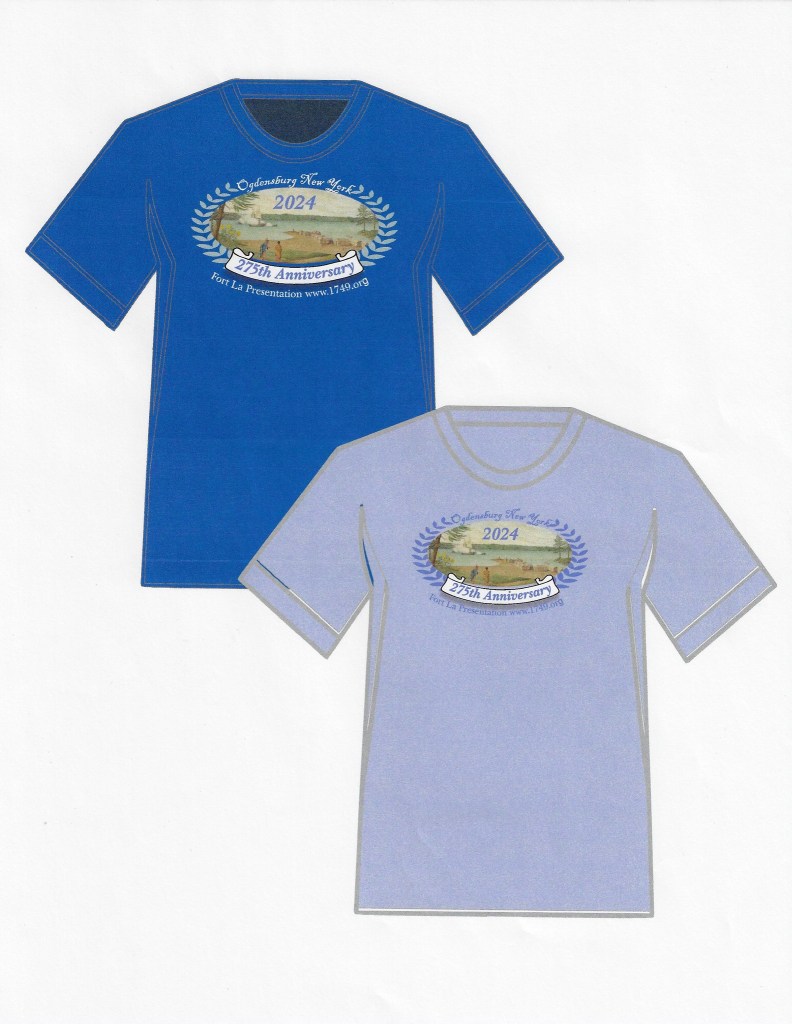
Fort La Presentation Merchandise

What’s New…

Fort La Presentation re-enactors were on hand Aug. 19 for the dedication of a Pomery Foundation historical sign at the Canton, NY Brick Chapel Cemetery, where Revolutionary War veterans are buried. From left are Donald Koerick, John Miller, Dallas Robinson and Hunter Crary. Missing from photo is Tim Cryderman. The 250th anniversary of the war will be noted in 2026 with an event planned at the site of Fort La Presentation.
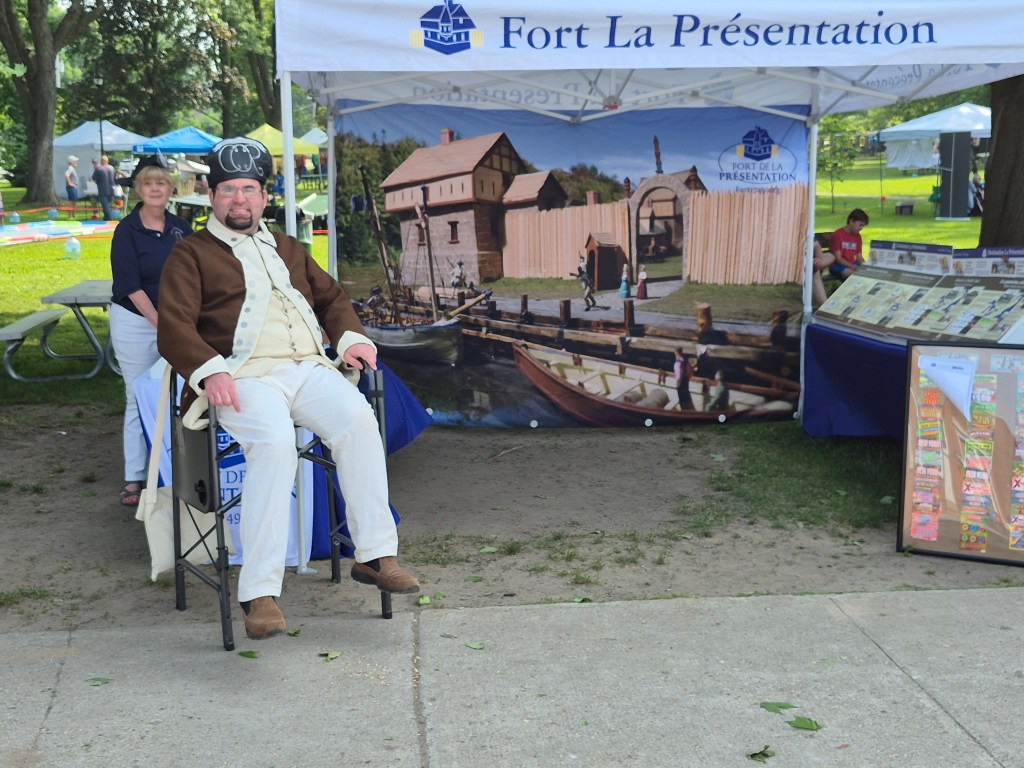
Barb O’Keefe, president of the Fort La Presentation Association, and Re-enactor Matt Sheehan, man the association’s pop-up tent at the recent Dairy Princess Festival in Canton.
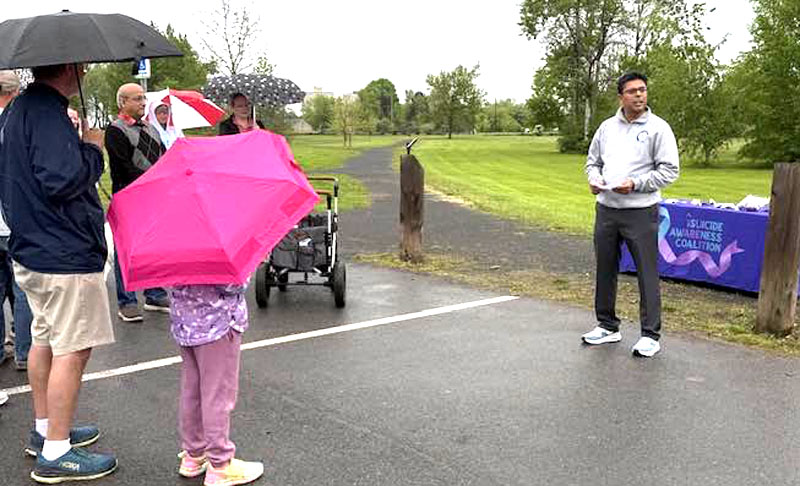
Dr. Dhruv Modi of Claxton-Hepburn Medical Center led participants of the Fort La Presentation Association’s Walk WIth A Doc event May 18 along the Abbe Picquet Walking Trail. The free, annual event provides lessons in health and an opportunity to meet new friends.
Maple Sugaring
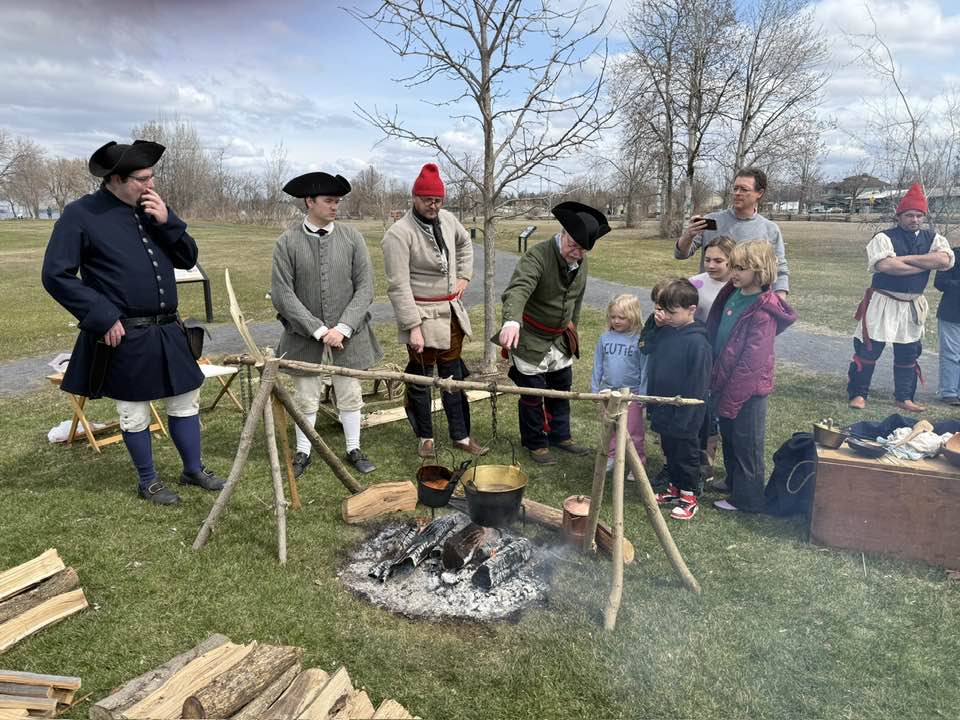
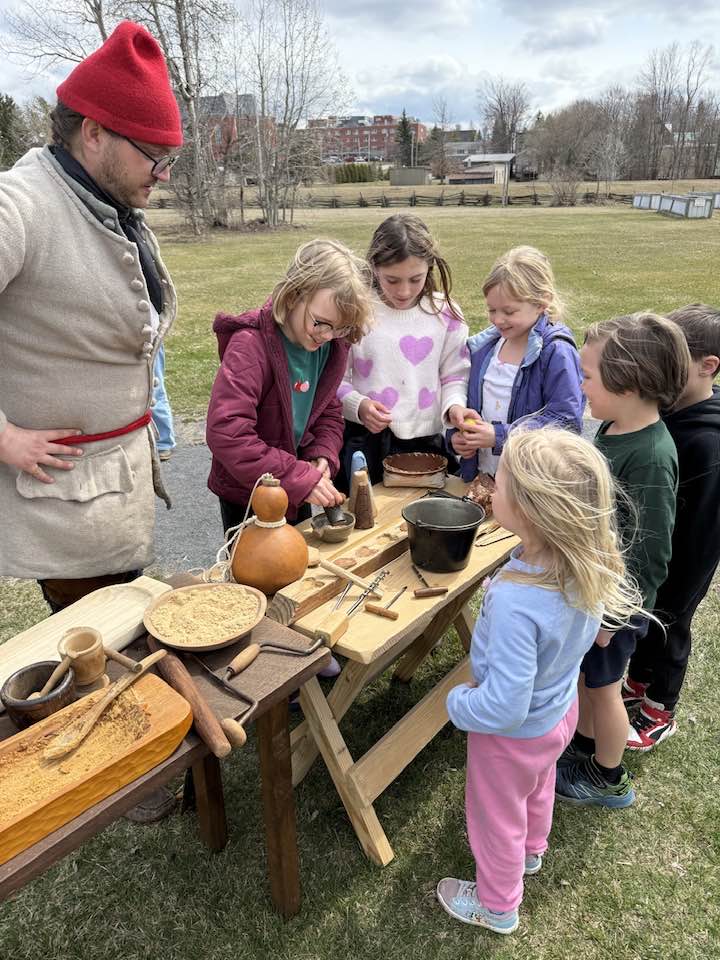
The Fort La Presentation Association enjoyed presenting its annual maple sugaring day April 12. When Europeans made first contact with the Indigenous people of North America they found that maple sugar was common in their diet. In early spring they boiled maple sap into the sugar that they would use for the rest of the year. French Canadians soon learned how to make maple sugar from the natives. After 1760 when New France became a part of Britain, maple sugar production remained an integral part of the early spring season and continues today as a vital part of our unique identity in the north country.
The Battle of Ogdensburg
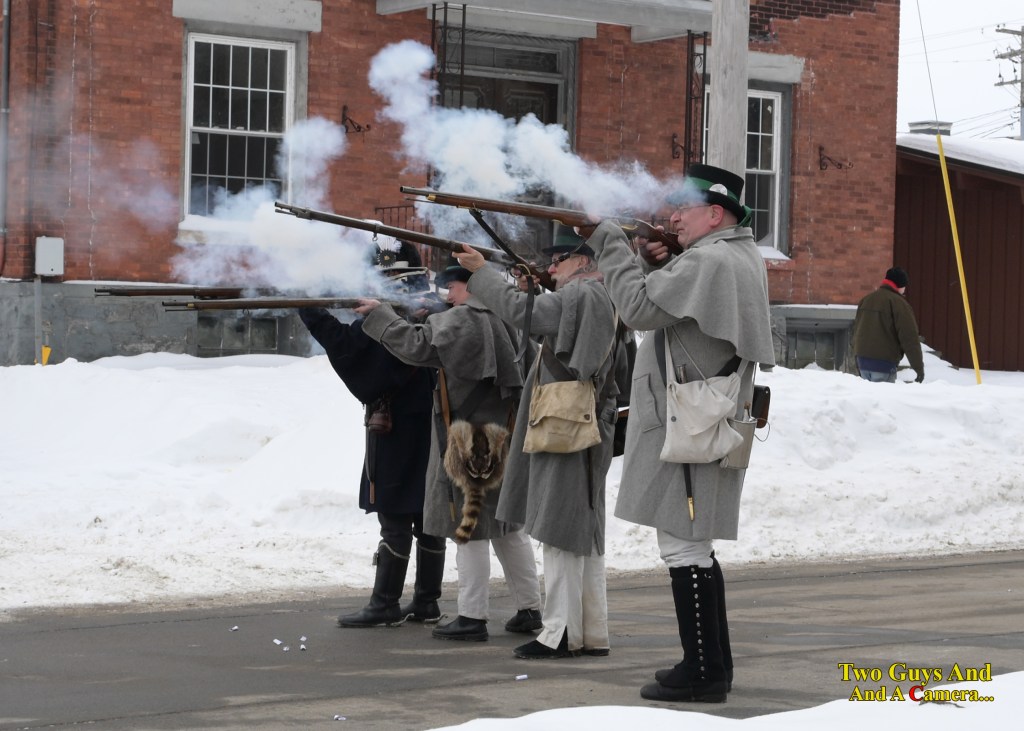
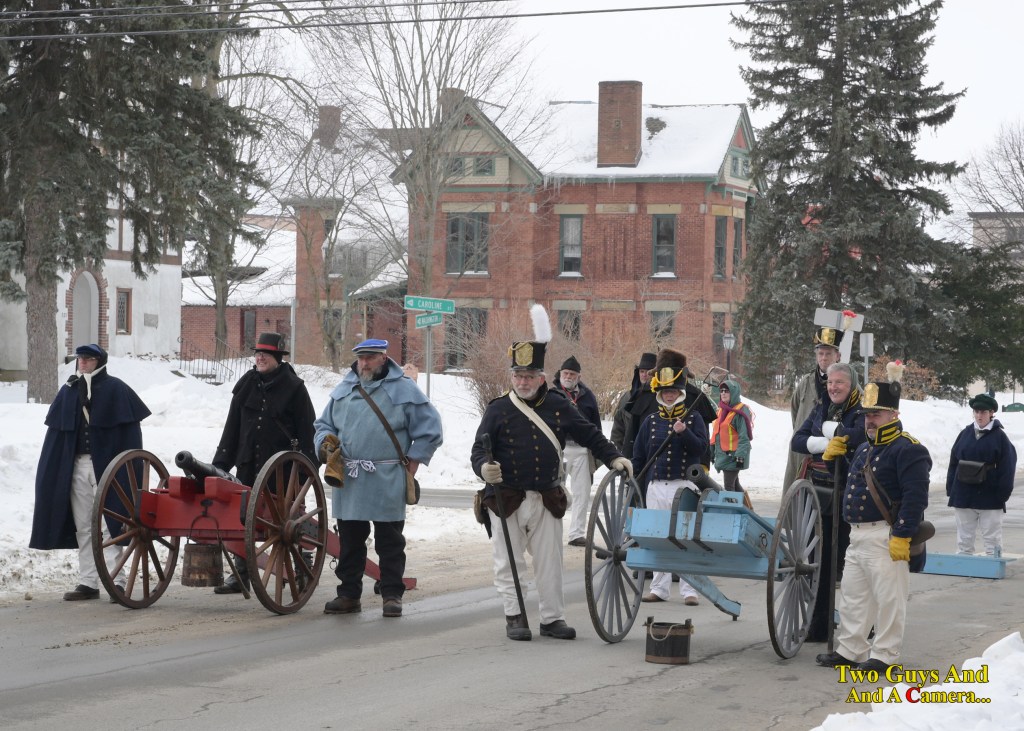
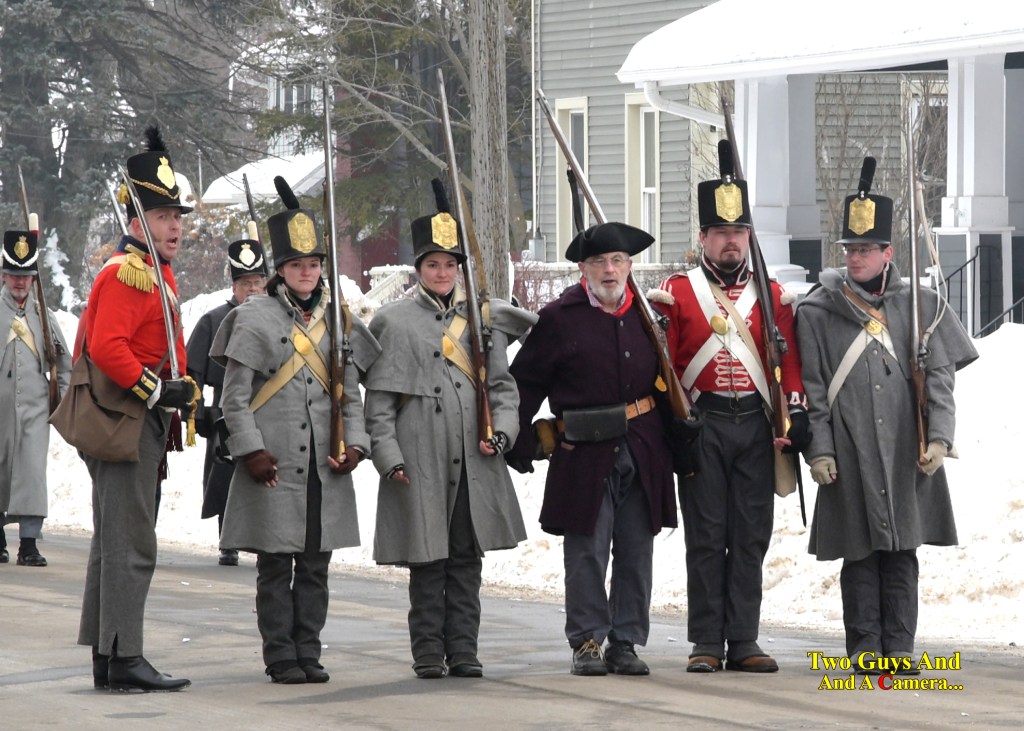
The Fort La Presentation Association Feb. 22 and 23 presented its annual recreation of the Feb. 22, 1813 attack on Ogdensburg by overwhelming British forces which captured the village and pillaged many of its buildings during the War of 1812. Afterwards, the British were able to keep their supply lines open along the St. Lawrence River for the rest of the war.
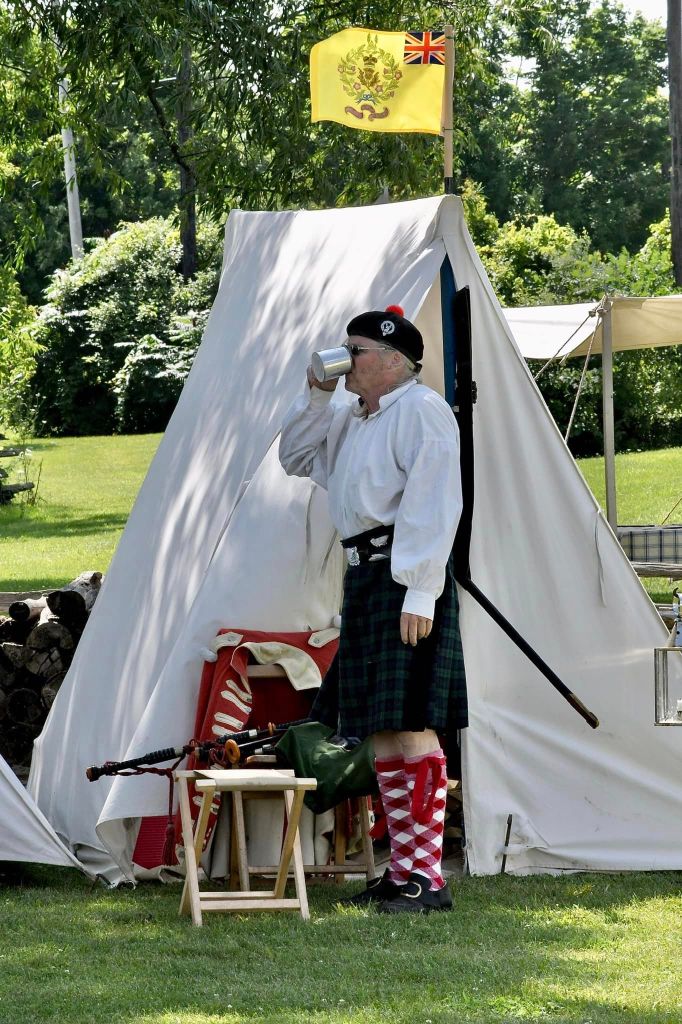
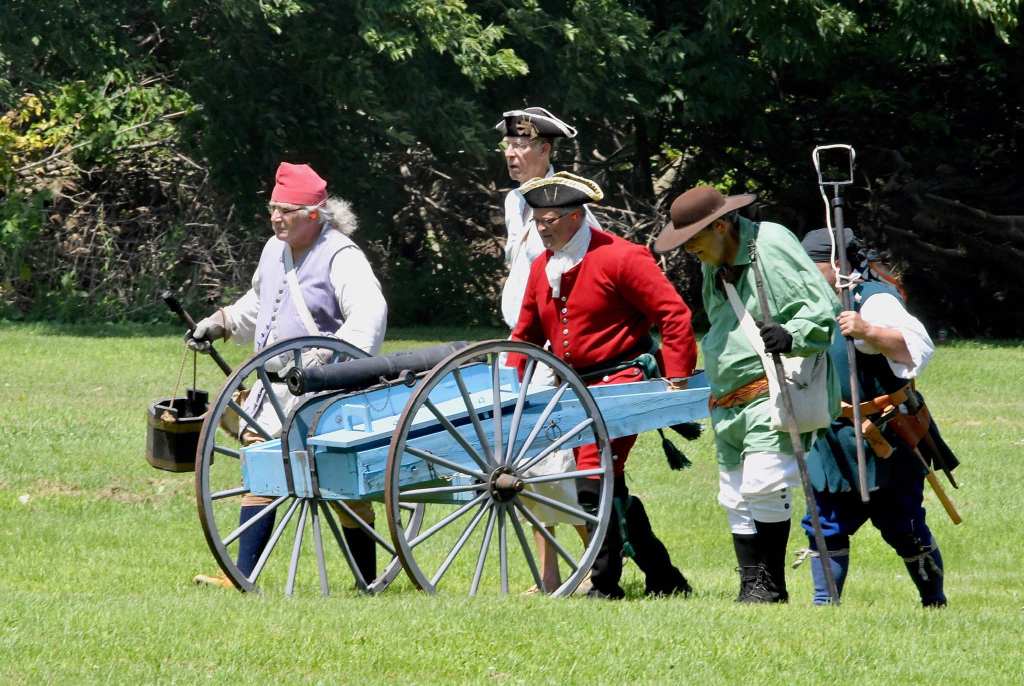
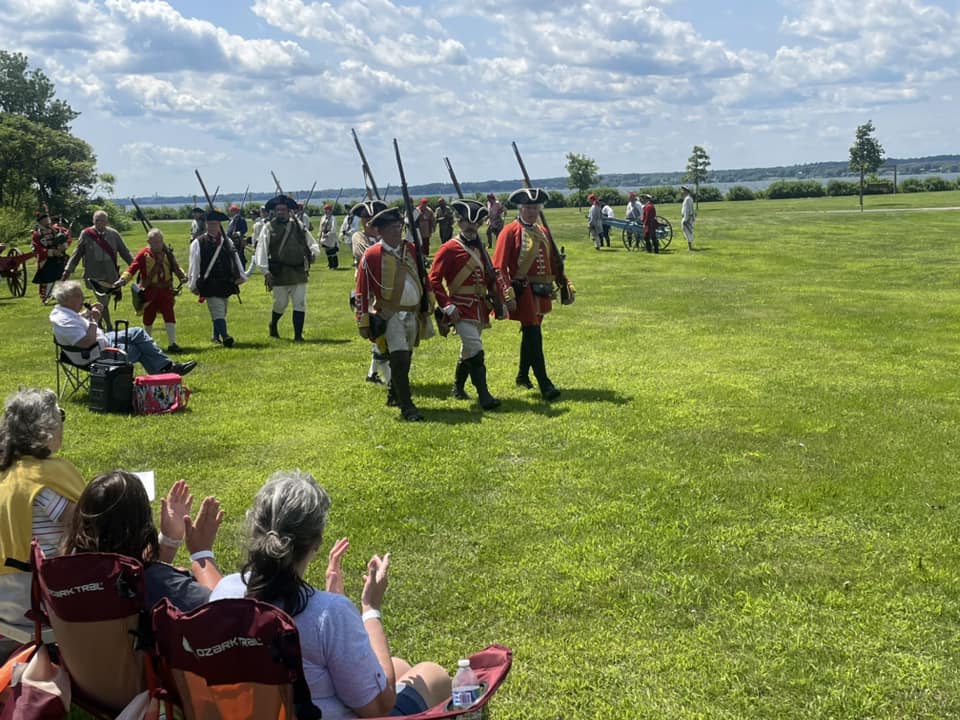
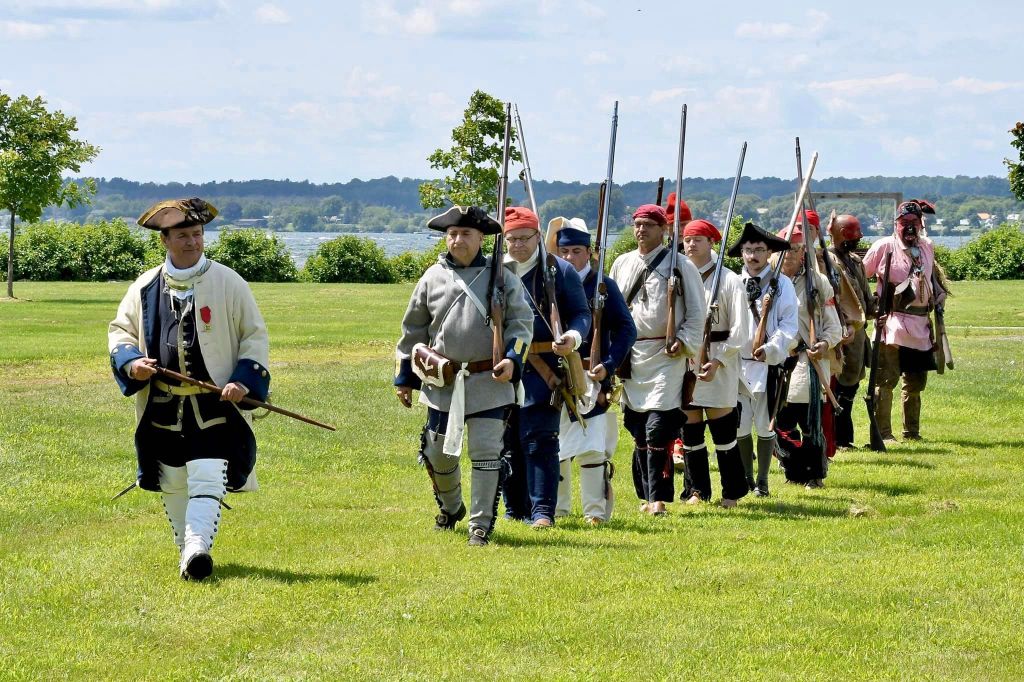
Images of 2024 Le Siege
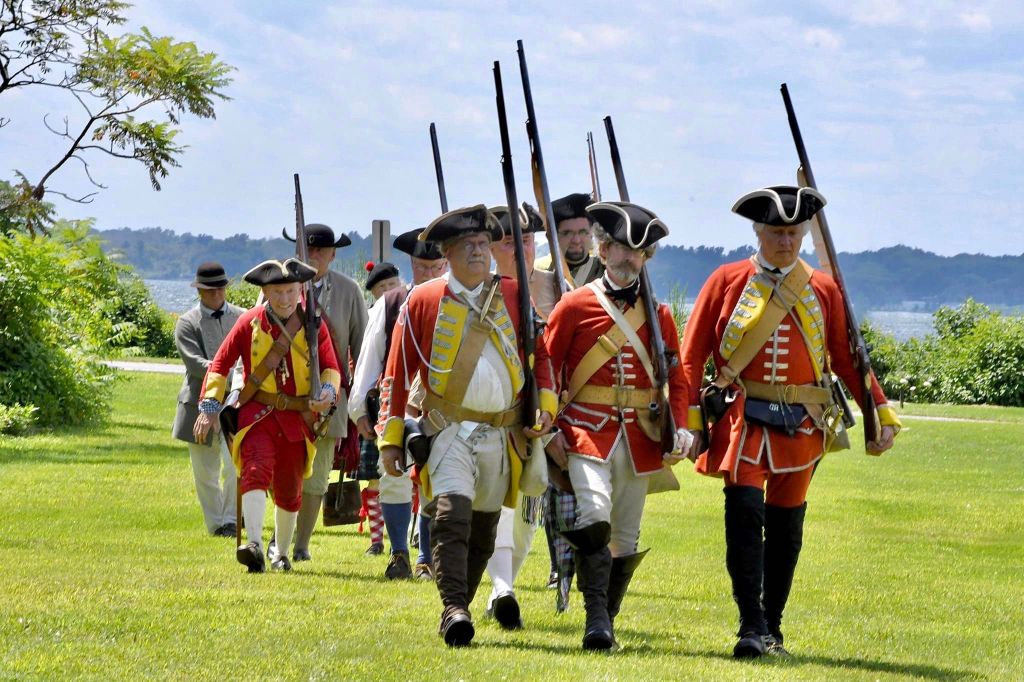
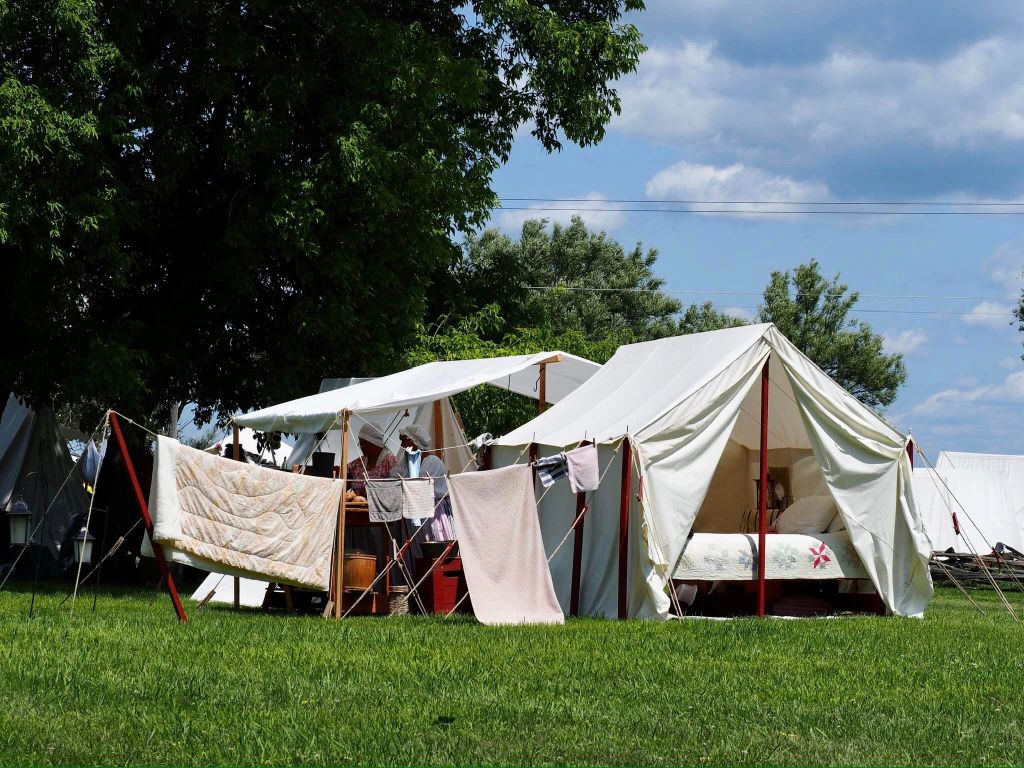
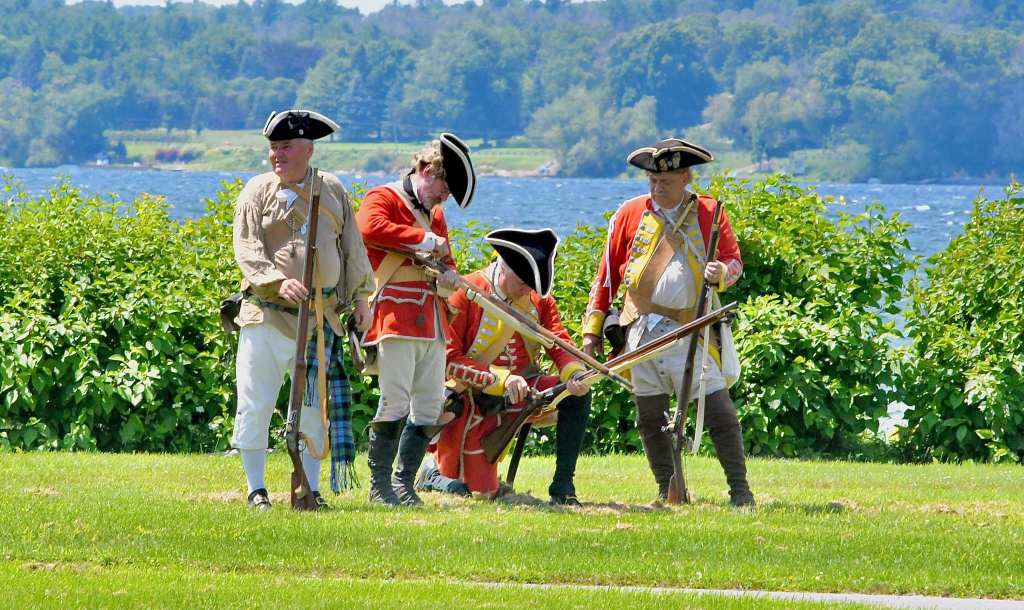
……………………
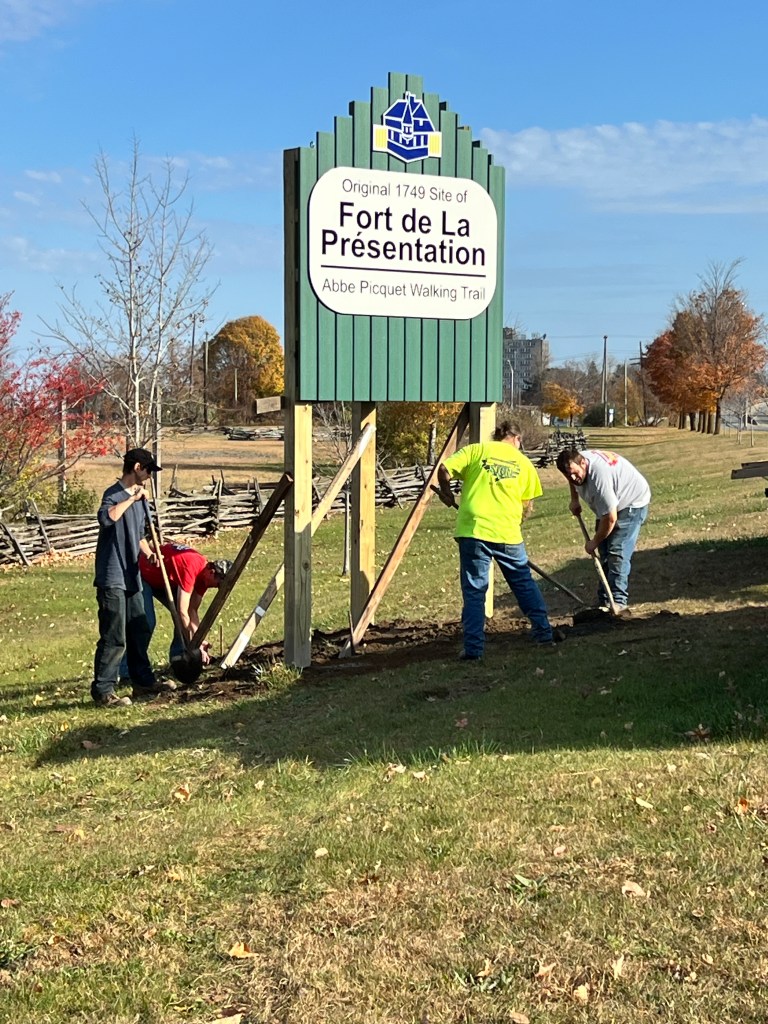
New Sign Along Abbe Picquet Trail
………………………..
History of Fort La Presentation by Julie Madlin, Ogdensburg city historian
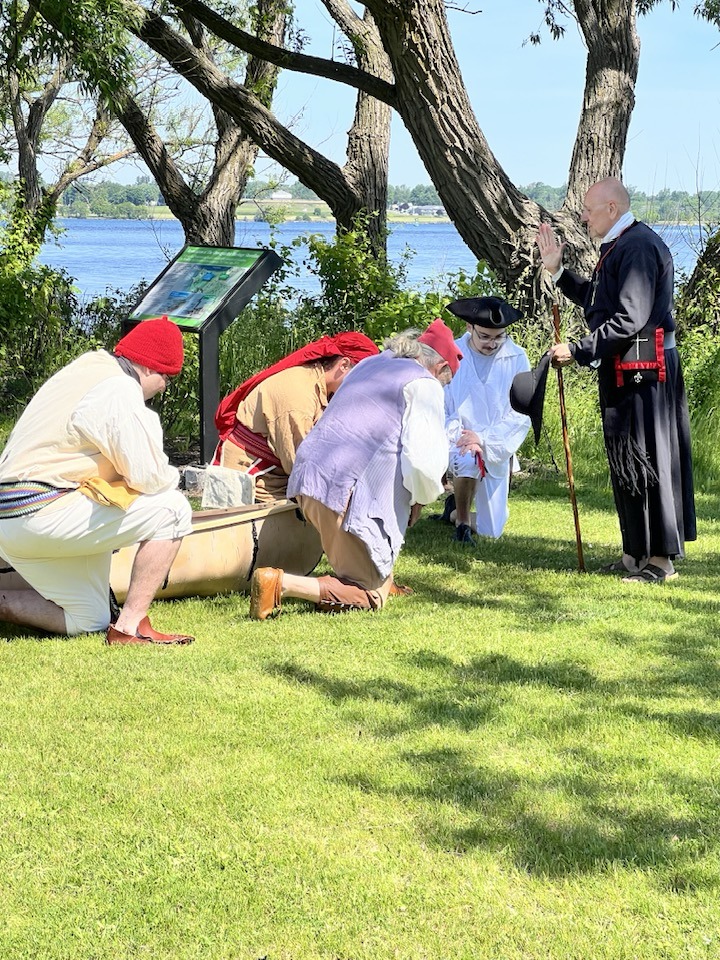
Click for Images from the end of Van Rensselaer Point
…………………………………………………………………………………………………….
Please become a member of the Association
 fort1749.org